Boxing accessories
Last updated: April 13, 2026
How to choose the ideal boxing shorts for your performance and style
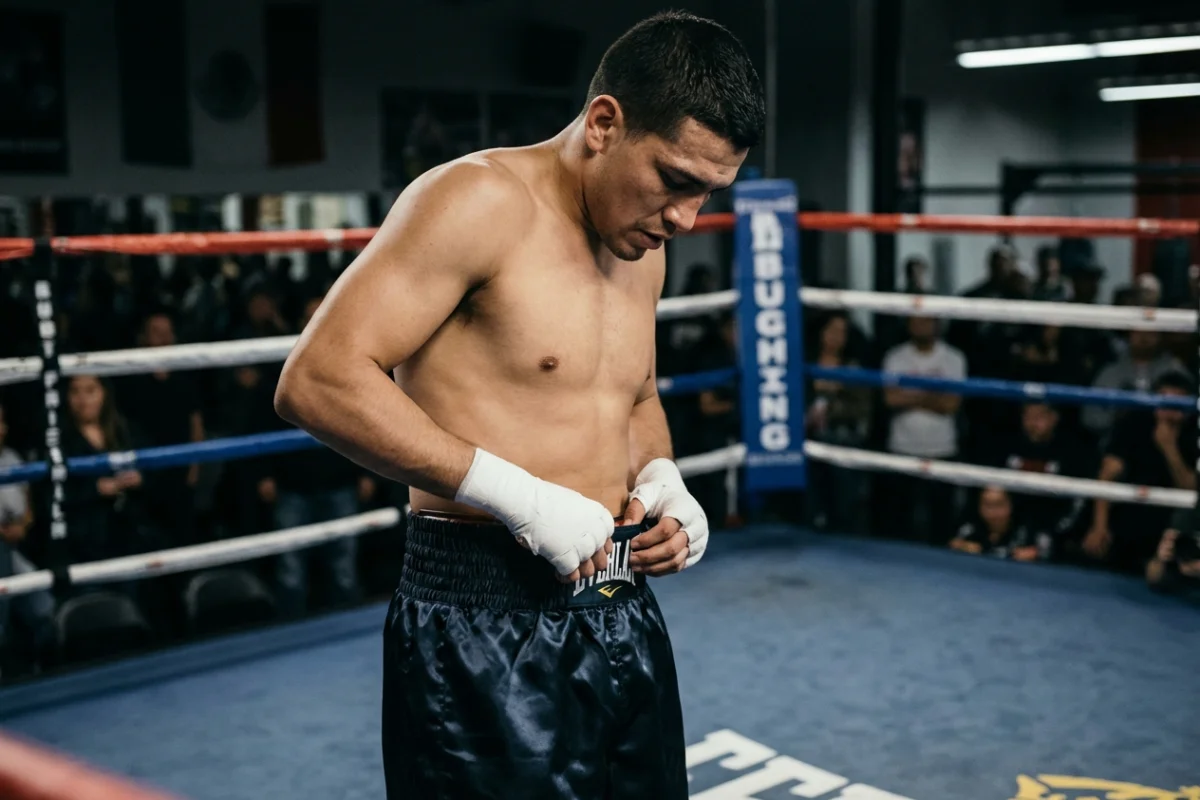
Choosing the right apparel is fundamental for any fighter, and shorts are no exception. Many beginners make the mistake of using generic sportswear, not knowing that the cut, material, and fit of specific boxing shorts directly influence leg agility and comfort during combat.
In this guide, you will learn how to choose the ideal boxing shorts by analyzing key factors such as freedom of movement, breathability, and competition regulations. A good pair of shorts not only projects a professional image but also prevents unnecessary distractions when moving around the ring.
If you are looking to maximize your performance, comfort, and style, here you will find all the necessary information to select the garment that best suits your physique and training level. Discover which materials offer greater durability and how to ensure the waistband provides the necessary support without restricting your breathing.
Why is choosing the right boxing shorts crucial?
Choosing the right boxing shorts is not just a matter of aesthetics; it is a technical decision that directly influences your mobility and performance in the ring. A good pair of shorts should allow you to make quick movements, pivot easily, and throw punches without restrictions, ensuring that your focus is solely on your opponent.
Unlike conventional sports pants, boxing shorts are designed with a specific cut: they are wider in the legs to facilitate footwork and feature a high, elastic waistband that ensures the garment stays in place during the most intense exchanges.
In addition to functionality, boxing shorts are a fundamental piece of the boxer's identity. From classic satin designs to more modern models with technological materials, the right choice will give you the confidence needed to perform at the highest level.
Materials and types of shorts according to your level
The material of your boxing shorts will determine both their durability and your comfort during training or competition. There are three main materials that dominate the current market:
1. Satin
It is the traditional material and the most used in professional boxing. Satin is extremely lightweight, soft to the touch, and has a characteristic shine that highlights colors. Its main advantage is that it does not stick to the legs when you sweat, allowing the shorts to flow with your movements.
2. Polyester and Microfiber
Many modern shorts use high-quality polyester blends. These materials are very resistant and often incorporate quick-drying technologies. They are ideal for intense daily training, as they better withstand frequent washing and maintain their original shape for longer.
3. Elastic fabrics (Spandex/Elastane)
Although less common in classic boxing and more typical of MMA, some boxers prefer shorts with elastic panels. These offer superior flexibility, although they lack the flow and traditional aesthetics of lifelong boxing.
For beginners, polyester shorts are an excellent investment for their durability. For those looking to compete or wanting the classic experience, satin remains the preferred choice for its lightness and elegance.
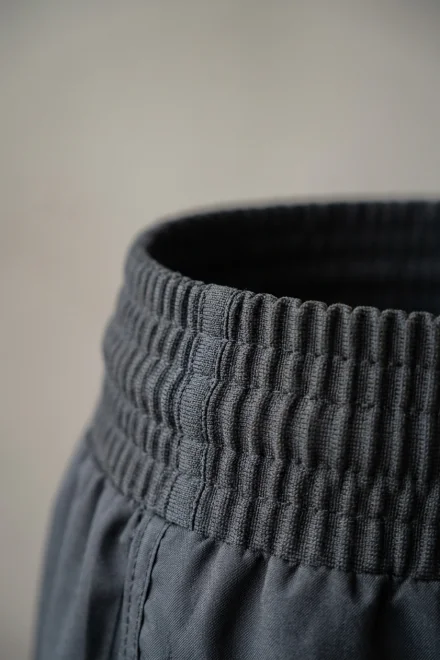
The importance of the waistband in boxing
The elastic waistband is, possibly, the most distinctive element of boxing shorts. It is not just a matter of design; it fulfills critical functions for the athlete. A wide waistband (generally between 10 and 15 cm) provides slight abdominal support and helps keep the groin protector in its correct position.
Furthermore, in regulated boxing, the waistband marks the legal limit for punches. Shorts with a contrasting color waistband help the referee quickly identify low blows. It is vital that the elastic is of good quality so that it does not slide down during the fight, which could distract you or limit your mobility at a crucial moment.
When trying on shorts, make sure the waistband is firm but does not restrict your breathing. A fit that is too tight can cause premature fatigue, while a loose one will force you to constantly reposition the garment.
Style and customization: Your armor in the ring
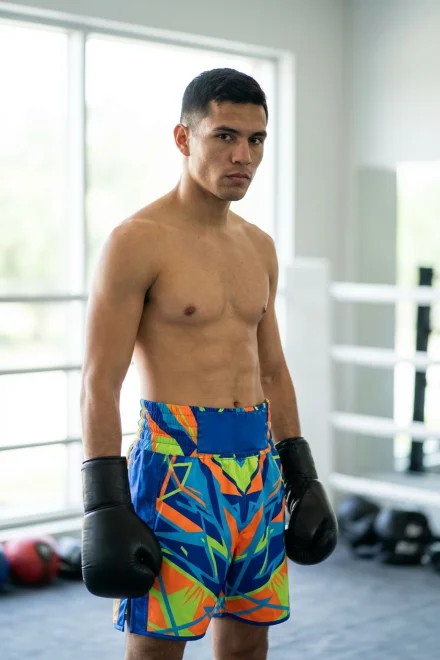
Boxing is a sport of great visual impact. The style of your shorts can convey a message to your opponent and help you get into the right state of mind. From the sober solid colors of the old school to vibrant designs with prints and patches, the options are endless.
- Classic colors: White, black, and red project seriousness and respect for tradition.
- Modern designs: Metallic finishes or gradients are a trend in current boxing.
- Cut and length: Some boxers prefer a shorter cut for greater agility, while others opt for the Mexican style, slightly longer and heavier.
Remember that, beyond fashion, the most important thing is that you feel comfortable and secure. A boxer who feels good with their equipment projects an image of greater confidence to their rival.
Maintenance tips to make your shorts last for years
To preserve the shine of the satin and the elasticity of the waistband, it is fundamental to care for your boxing shorts properly. Sweat and moisture can degrade the fibers if not managed correctly.
The ideal is to hand wash them with cold water and a mild detergent. If you decide to use the washing machine, always use a delicate cycle and a laundry bag to prevent the elastic from catching on other garments. Never use a dryer, as extreme heat damages the elastic fibers and can shrink the satin.
After each workout, do not leave them forgotten in your gym bag. Take them out and air them out to prevent the accumulation of bacteria and bad odors. With these basic cares, your equipment will stay in perfect condition for many rounds.
Conclusion
Choosing the ideal boxing shorts is a fundamental step for any practitioner, whether amateur or professional. The perfect combination of material, waistband fit, and freedom of movement will allow you to train more effectively and compete with total safety.
Do not skimp on quality when it comes to your comfort in the ring. A good pair of shorts not only improves your technical performance but also reinforces your identity as a boxer.
Analyze your needs, choose the material that best suits your pace, and prepare to give your best in every training session.
Frequently asked questions about how to choose boxing shorts
What is the best material for boxing shorts?
Satin is the classic material for its lightness and softness, preventing the shorts from sticking to the legs with sweat. However, modern technical polyester is very popular for its high breathability and resistance to intense wear.
Why do boxing shorts have such a wide waistband?
The wide elastic waistband (usually 10 to 15 cm) serves three functions: it keeps the shorts firm without slipping, offers light abdominal support, and visually delimits the legal hitting zone (above the waist).
What is the difference between boxing and Muay Thai shorts?
Boxing shorts are longer, generally reaching mid-thigh or near the knee, while Muay Thai shorts are much shorter and open at the sides to facilitate kicks and knee strikes.
How do I know my correct size in boxing shorts?
You should be guided mainly by your waist circumference. Unlike casual pants, boxing shorts should be loose on the legs but very firm at the waist. If you are between two sizes, choose the larger one for greater mobility.
Does the length of the shorts influence performance?
Yes. Shorts that are too long can hinder footwork or get caught on the boots. The ideal length should allow for full knee flexion without resistance, ending a few centimeters above the joint.
What colors should I choose for competition?
In official competitions, the color of the shorts must contrast with the waistband so the referee can clearly see low blows. Traditionally, colors matching the assigned corner (red or blue) are used, although there is more freedom in professional boxing.
How should I wash my boxing shorts so they don't get damaged?
It is recommended to wash them inside out, with cold water and on a delicate cycle. Avoid using strong softeners and never put them in the dryer, as extreme heat damages the satin fibers and the elasticity of the waistband.
Is it necessary to use specific shorts for daily training?
Although you can use normal sports shorts, boxing shorts are designed not to restrict lateral movement and to better manage heavy sweat. Training with real equipment helps you get used to the sensations of fight day.
What is the 'split' cut on the sides?
It is a small opening in the side hem of the shorts. This detail is crucial for boxers with wide legs or those who perform very explosive movements, as it eliminates any tension in the fabric when opening the legs.
How does the weight of the shorts influence the boxer?
In boxing, every gram counts. Lightweight satin shorts prevent unnecessary fatigue and allow the athlete to feel faster. Heavy shorts or those that absorb a lot of moisture can become uncomfortable after several rounds.