
Boxing hand wraps
Boxing hand wraps are an essential accessory for any combat sports practitioner, whether beginner or professional. Their main function is to protect the joints, knuckles and wrist during training and bouts, preventing injuries and providing stability when striking. Although they often get less attention than gloves, wraps play an equally important role, as they help keep the hand's structure firm and reduce skin friction. In this guide you'll find everything you need to know about them: types of wraps, how to choose the right ones and practical usage tips.
See boxing hand wraps on Amazon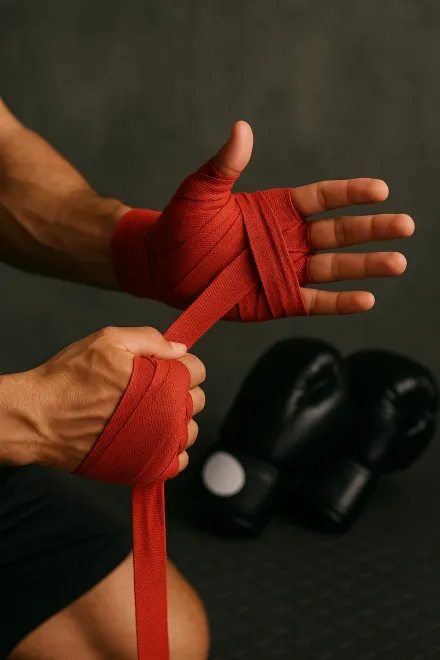
Why use boxing hand wraps?
Using boxing hand wraps isn't optional, it's a necessity for any boxer or mixed martial arts practitioner. Their primary goal is to provide an extra layer of support to the hand's bones and joints, areas that are especially vulnerable to fractures or sprains. In addition, they help secure tendons and muscles, preventing abrupt movements that could cause pain or inflammation.
Another important benefit is that they absorb sweat, which not only improves hygiene but also extends your gloves' lifespan. In fact, many boxers agree that good wraps are the first barrier of protection before the glove.
Main advantages:
- Protection against fractures and sprains.
- Stability in wrist and knuckles.
- Greater comfort inside the glove.
- Reduction of bad odors in the gloves.
In conclusion, investing in quality wraps is a smart decision that can make the difference between training safely or putting your health at risk.
Types of boxing hand wraps
There are different types of boxing hand wraps on the market, and choosing the right one will depend on your experience level, training frequency and personal preferences.
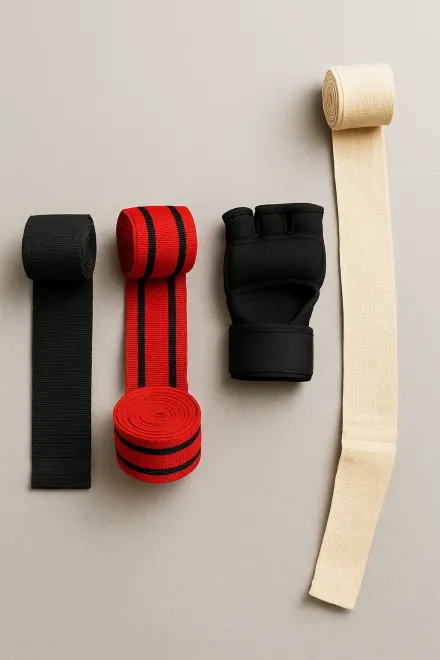
- Cotton wraps: These are the most common and recommended for training. They fit the hand perfectly, allow breathability and are easy to wash. They usually range from 2.5 to 4.5 meters in length.
- Elastic or 'Mexican' wraps: They offer greater compression and fit, making them ideal for those seeking more wrist firmness. However, they can be uncomfortable if tightened too much.
- Gel wraps: A modern alternative that combines protection and practicality. They're like inner gloves with gel padding, easy to put on and take off, although they don't offer the same stability as traditional wraps.
- Professional wraps: Longer and designed for advanced boxers who need maximum protection during intense training or bouts.
The choice depends on your comfort and goal: if you train recreationally, cotton wraps may be enough. If you compete or train at high intensity, Mexican or professional wraps are the best option.
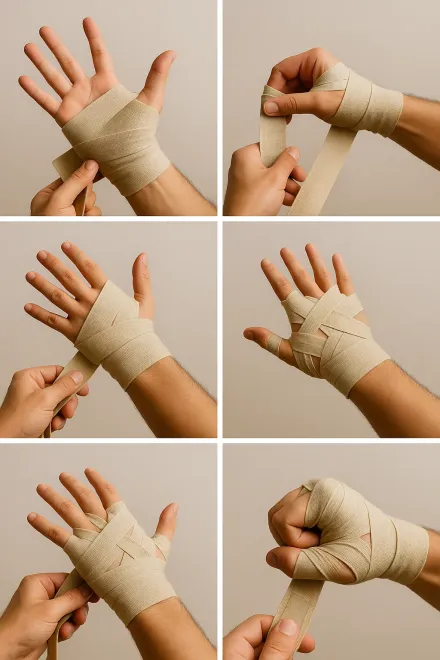
How to wrap your hands correctly
Good wraps won't help much if you don't know how to put them on correctly. Wrapping technique is key to ensuring the protection is effective and doesn't interfere with the hand's natural movement.
Basic steps to wrap:
- Start by placing the loop on the thumb to secure the wrap.
- Circle the wrist 2 or 3 times to provide support.
- Wrap around the knuckles 3 or 4 times, making sure to cover them well.
- Cross the wrap between the fingers to separate and stabilize each one.
- Wrap the knuckles and wrist again to reinforce the hold.
- Finish by fastening with the hook-and-loop closure without over-tightening.
It's important for the wrap to feel firm but not excessively tight. A poorly done wrap can cut off circulation or cause discomfort, which will affect your performance. If you're a beginner, take time to practice wrapping and even ask your coach for help to learn the proper technique.
Frequently asked questions about boxing wraps
How often should I replace my boxing wraps?
It depends on how often you train and how you care for them. If you train 3 or 4 times a week, it's best to have at least two pairs to rotate and wash regularly. When you notice they've lost elasticity, are worn out or have a persistent odor, it's time to replace them. In general, well-cared-for wraps can last several months.
What wrap length is best for beginners?
For beginners, wraps between 2.5 and 3 meters are recommended. They're easy to put on and offer the protection needed for basic training. As you progress and do more intense sessions, you can opt for 4 or 4.5 meter wraps, which allow a more complete and detailed wrapping.
Can I use gloves without wraps?
Technically you can, but it's not advisable. Wraps add an extra layer of protection that stabilizes the hand and wrist, absorbs sweat and reduces glove wear. Using gloves without wraps increases the risk of injury and shortens your gear's lifespan.
What's the difference between cotton and Mexican wraps?
Cotton wraps are breathable, comfortable and easy to maintain, ideal for recreational training or beginners. Mexican wraps, thanks to their elasticity, fit better and offer more firmness, making them more suitable for intensive training or competitors. The choice depends on your preferences and needs.
How do I know if I'm wrapping my hands correctly?
A correct wrap should feel firm but not restrictive. It shouldn't cut off circulation or leave deep marks on the skin. In addition, the knuckles should be well covered and the wrist stable. If you feel tingling, numbness or discomfort when clenching your fist, it's probably too tight and you should adjust it.
Is it better to use traditional wraps or gel wraps?
Traditional wraps, whether cotton or Mexican, offer greater protection and stability because they allow a more customized wrapping. Gel wraps are quicker and more practical, but they don't provide the same level of support at the wrist and knuckles. They're a valid option for light training or for those seeking convenience.
Can boxing wraps be machine washed?
Yes, most cotton and Mexican wraps can be machine washed. It's recommended to use a laundry bag to keep them from tangling and always air dry them, never tumble dry. Avoid softeners or harsh chemicals that could damage the material's elasticity.