
Boxing bags for home
Home boxing bags have become one of the most sought-after tools for those who want to train without going to a gym. Whether you want to improve fitness, release stress or refine your boxing technique, having a bag at home can be a very smart investment. Contrary to what many think, you do not need a large space to install it and there are different types tailored to every need. In this complete guide we will explore the benefits, the various models, which factors to consider before buying and practical tips to get the most out of your at-home training.
See the best home boxing bag deals on Amazon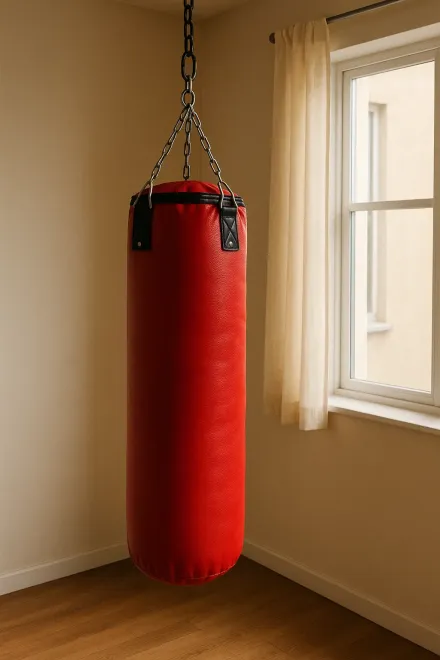
Advantages of training with a boxing bag at home
Having a boxing bag at home is not only a practical way to train, it also brings multiple physical and mental benefits. First, it improves cardiovascular endurance, since each session involves continuous movements that raise your heart rate. At the same time, it helps burn calories and lose weight effectively, making it a fun alternative to traditional workouts. Another key benefit is developing strength and coordination. Hitting the bag engages arms, legs, core and back, becoming a full-body exercise. In addition, it lets you work on technique, improve precision and strengthen posture.
Emotionally, bag training helps release stress and boost your mood. After a workday, few exercises are as effective as unloading tension on a bag. It is also ideal for those seeking discipline and consistency, since having it at home removes excuses about gym hours or commuting. In conclusion, a boxing bag at home combines health, convenience and long-term savings.
Types of boxing bags for home
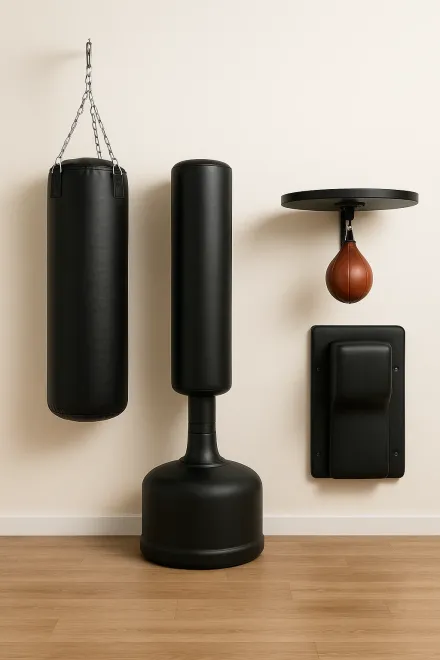
Before buying a boxing bag for home, it is important to know the different models available on the market. Each type offers specific advantages depending on your space and training goals:
- Hanging bags: Installed on the ceiling or a stand. They are the most common and offer a gym-like experience. They require proper installation to avoid structural damage.
- Free-standing or base bags: Ideal if you cannot drill ceilings or walls. They are stabilized by a base filled with water or sand. Easy to move and often preferred for training in apartments.
- Speed or small bags: Perfect for improving coordination, reflexes and punching speed. Usually mounted on supports and more compact.
- Wall-mounted bags: Fixed directly to the wall and useful in tight spaces. Although they limit certain movements, they are practical and durable.
Choosing the right type will depend on available space, training level and the ease of installation you need.
Factors to consider before buying a boxing bag
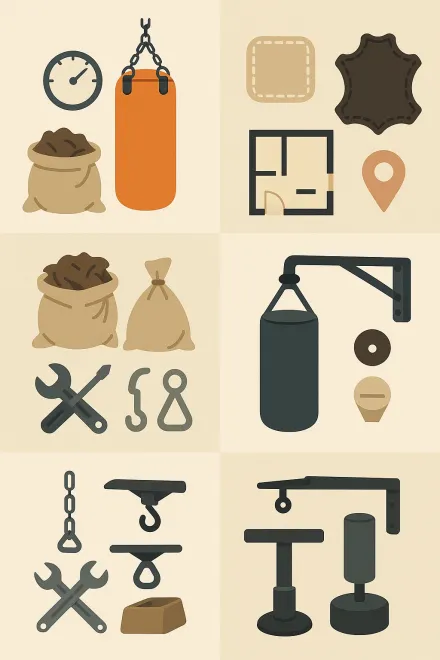
When choosing a boxing bag for home, consider several key aspects that will shape your experience. First, think about the bag weight: one that is too light will swing excessively, while one that is too heavy can be hard to handle. For most users, a bag between 25 and 40 kilos is ideal. Another relevant factor is the material. Synthetic leather bags are tough and more affordable, while genuine leather offers superior durability at a higher cost.
It is also important to look at the filling. Cloth fillings are softer and recommended for beginners, while sand or denser mixes provide more resistance for advanced training. Likewise, consider the available space at home: measure the area where you will install it and make sure you have enough room to move around it. Lastly, do not forget to check ease of assembly and whether the bag includes accessories such as chains, mounts or bases.
Frequently asked questions about home boxing bags
Which type of boxing bag is best for home?
The choice depends on your space and goal. If you have a large room and a solid structure, a hanging bag is ideal because it offers the most realistic experience. If you live in an apartment or cannot drill, free-standing base bags are more practical. Small speed bags are useful as a complement but do not replace a full bag. The key is to assess your setting and needs before deciding.
What weight should a beginner's boxing bag have?
A bag that is too heavy can be hard to control and one that is too light will swing excessively. For beginners, 25 to 35 kilos is recommended, enough resistance without being unmanageable. If you plan more advanced training or have greater strength, you can opt for 40 kilos or more. It is always wise to start with a midweight and adjust as your training evolves.
Is it necessary to use gloves when training at home?
Yes, you should always use gloves even for home workouts. Gloves protect wrists, knuckles and hands from repeated impact on the bag. They also extend the bag's lifespan by preventing rapid material wear. Complement glove use with wraps to stabilize joints. Hitting without protection can cause painful injuries and slow your progress.
How do I install a boxing bag if I cannot hang it from the ceiling?
If you cannot install a ceiling-hung bag due to space or structure limits, the best alternative is a free-standing base bag. These models require no drilling and can be moved easily from place to place. You only need to fill the base with water or sand for stability. Another option is a freestanding frame designed for hanging bags, which sits on the floor and avoids damaging your home.
How much space do I need to train with a bag at home?
Ideally, you should have at least one meter of clearance around the bag so you can move comfortably and work lateral footwork. You can train in a smaller area, but your range of movement will be limited. Also consider ceiling height if you choose a hanging bag. Good space planning ensures more effective and safer sessions.
How long should I train with the boxing bag?
Training duration depends on your fitness and goals. For beginners, 2 or 3 sessions per week of 15 to 20 minutes are enough. As you progress, you can train for 30 to 45 minutes. The best approach is to structure time in rounds: 3 minutes of work and 1 minute of rest. This mirrors real boxing and improves both endurance and discipline.
How do I keep the boxing bag in good condition?
Bag care is essential to extend its lifespan. Clean it regularly with a damp cloth, avoiding harsh products that may damage the material. Also check the seams and ensure chains or the base are secure. If you notice dents in the filling, redistribute it to keep consistency. With basic maintenance, a good bag can last many years even with heavy use.