
Boxing gym bag
A boxing gym bag is much more than just an accessory: it becomes the perfect ally in your training routine. Whether you train in a specialized gym, at home, or compete, having the right bag helps you organize all your gear in a practical and safe way. From gloves to spare clothes, plus wraps, water bottles, and protective gear, this accessory ensures you always have what you need at hand.
In this guide you'll find detailed information on what features a boxing bag should have, usage tips, and advice for choosing the one that best suits your needs. Our goal is to help you identify the key aspects that make a gym bag stand out: durability, capacity, comfort, and style.
See boxing gym bags on Amazon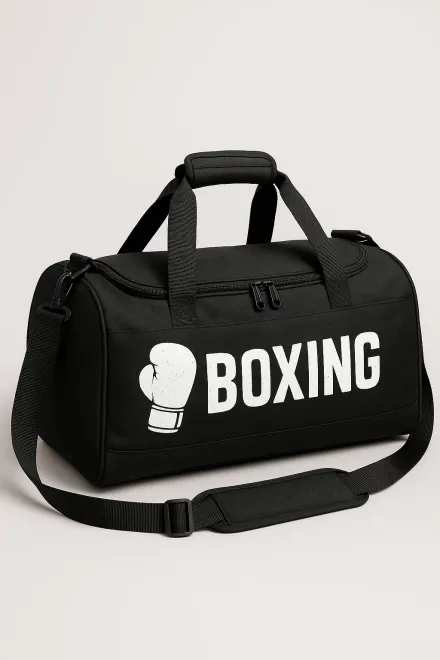
Key features of a boxing gym bag
Before investing in a gym bag, it's essential to know the features that make a difference in daily use. A boxing bag must meet certain basic requirements to be truly practical and durable.
- Durability: The material should withstand the weight of the gear without tearing easily. Ballistic nylon or high-density polyester are common choices.
- Capacity: Depending on your training level, you’ll need more or less space. A medium-sized bag is usually enough for gloves, wraps, a water bottle, and spare clothes.
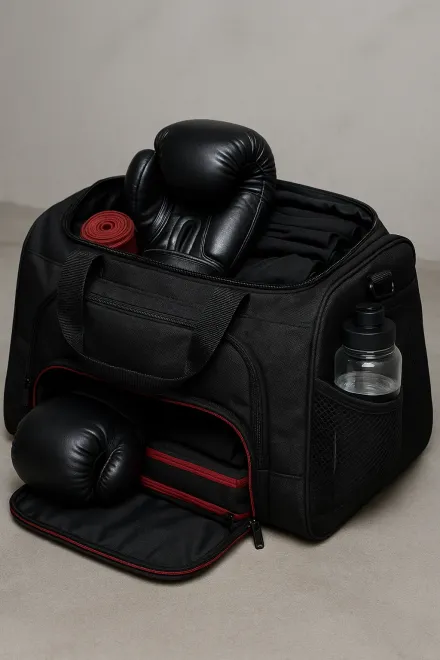
- Compartments: Side pockets and internal sections make organization easier, especially if you want to separate clean clothes from sweaty ones or carry shoes separately.
- Carrying comfort: An adjustable padded shoulder strap or reinforced handles make transport easier, especially if you carry a lot of weight.
- Style: While functionality is most important, many brands offer attractive designs that reflect your personality.
In short, choosing a bag that combines durability, organization, and comfort will make a big difference in your training experience.
Advantages of using a boxing-specific gym bag
Many athletes use regular backpacks or generic gym bags, but a gym bag designed for boxing offers extra benefits. This type of accessory is made with the boxer’s specific needs in mind.
- Optimal organization: The space is designed for bulky items like gloves and protective gear.
- Greater durability: Materials are usually reinforced to handle the extra weight of equipment.
- Hygiene: Some models include ventilated compartments to separate damp clothes or footwear.
- Practicality: Carrying everything in one place prevents forgetting items and improves efficiency before and after training.
- Versatility: Although geared toward boxing, they’re also useful for other combat sports or even short trips.
These advantages make the gym bag an investment that will allow you to train with greater comfort and focus.
How to choose the right boxing bag
The choice of the right gym bag depends on your training style, how often you train, and the amount of gear you usually carry. Here are some practical recommendations:
- Evaluate your gear: If you use extra protection like headgear or shin guards, you'll need a larger bag.
- Check material durability: Look for reinforced seams and sturdy zippers.
- Think about comfort: If you travel by public transport or walk long distances to the gym, an adjustable padded strap is essential.
- Consider design: Choose a model that matches your personal style since it’s an accessory you’ll use often.
- Price vs. durability: Sometimes it’s worth investing a bit more in a bag that will last for years.
If you choose the right bag from the start, you’ll avoid constant replacements and have a reliable accessory for your workouts.
Frequently asked questions about boxing gym bags
What size gym bag do I need for boxing?
The ideal size depends on the gear you carry. If you only use gloves, wraps, and clothes, a medium bag will be enough. However, if you also include extra protection like headgear or shin guards, it’s best to go for a large bag with extra compartments. **The key is choosing a size that meets your needs without being uncomfortable to carry.**
What material is best for a boxing bag?
The most recommended materials are ballistic nylon and high-density polyester, as they offer resistance to wear and moisture. There are also reinforced canvas bags, which are very durable though usually heavier. **What matters most is that the materials withstand frequent use and the weight of your gear.**
How can I prevent bad odors in my gym bag?
The best way is to air out the bag after each workout, avoid leaving damp clothes inside, and use breathable bags to separate sweaty garments. You can also use fabric deodorizers or activated charcoal sachets that absorb moisture. **Consistent hygiene is key to preventing unpleasant odors.**
Is a shoulder bag or backpack-style better?
It depends on your comfort and the weight you usually carry. Shoulder bags often have more capacity, while backpack-style bags are more ergonomic if you need to walk long distances. **The choice should be based on your routine and how you get to the gym.**
Can I use a boxing gym bag for other sports?
Yes, a boxing bag is very versatile and can be used for other disciplines like martial arts, fitness, or even short trips. Thanks to its durability and capacity, it’s a multifunctional accessory. **Its specialized design doesn’t limit its use exclusively to boxing.**
How often should I replace my boxing bag?
There’s no fixed time, as it depends on how often you use it and how well you maintain it. A quality bag can last several years if properly cared for. If you notice worn seams, broken zippers, or loss of durability, it’s time to consider a replacement. **Durability will always be tied to initial quality and proper maintenance.**
Is it worth investing in a recognized brand bag?
Recognized brands usually offer higher quality assurance in materials and design. While they can be more expensive, they often provide superior durability and comfort. However, there are also affordable options with good value for money. **If you train frequently, a brand-name bag can be a smart investment.**