Boxing accessories
Last updated: May 22, 2026
How to choose the ideal boxing paddles (focus paddles) for your precision training
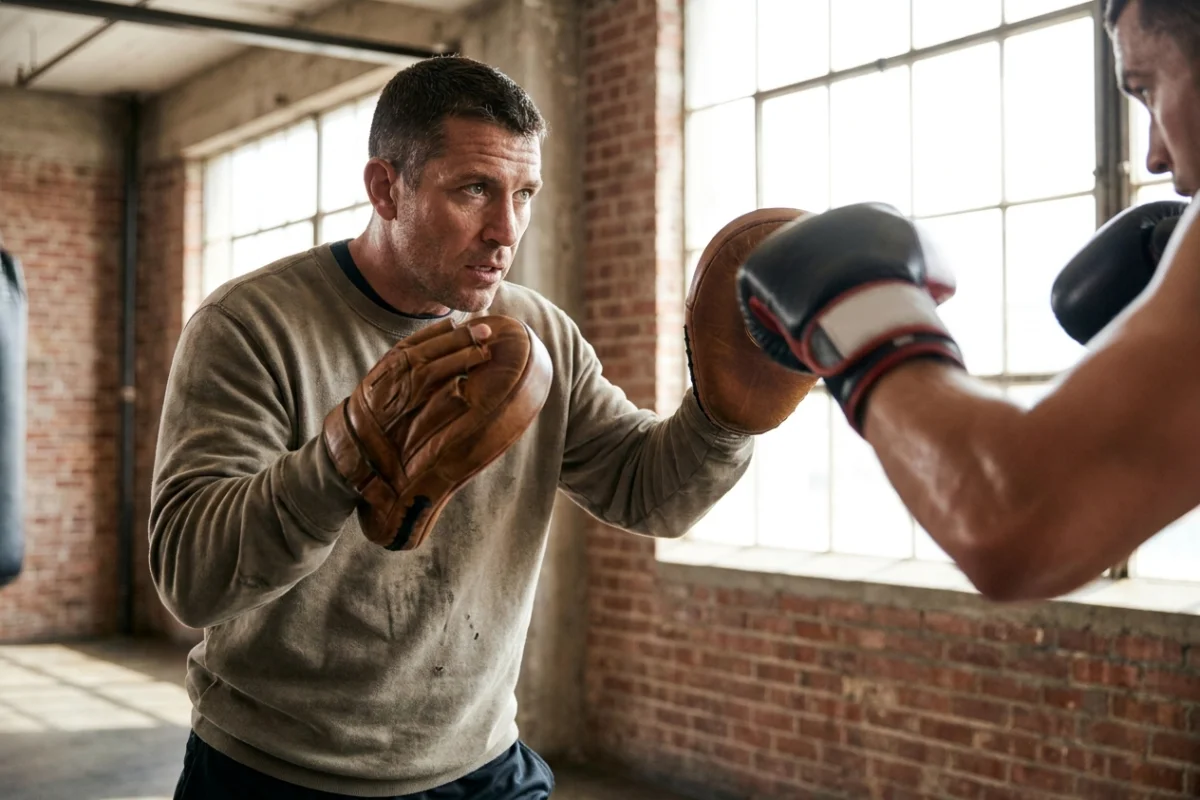
Boxing paddles, also known as focus paddles, have become an indispensable tool in modern gyms. Unlike traditional mitts, these offer a smaller impact surface and an extended handle that allows the trainer to work on the boxer's precision, speed, and reflexes in a more dynamic and safe way.
In this guide, you will learn how to choose the ideal boxing paddles for your pad work sessions. We will analyze the ergonomic benefits for the trainer, the materials that guarantee a long lifespan, and the technical features you should look for to improve your athletes' performance.
If you are looking for equipment that minimizes the impact on the trainer's wrists and elbows while maximizing the fighter's agility, paddles are the perfect choice. Here you will find all the necessary information to differentiate between the various models and select the one that best suits your training style and intensity level.
What are boxing paddles and why are they essential for precision?
Boxing paddles, also known as focus paddles, have become an indispensable tool in modern combat sports training. Unlike traditional focus mitts, paddles are designed with an ergonomic handle that allows the coach greater mobility and a faster response to the athlete's strikes.
Their main function is to improve precision, speed, and hand-eye coordination. By having a smaller impact surface and being further away from the coach's hand, they force the boxer to be much more accurate in their trajectories. Additionally, they are ideal for working on timing and reflexes, allowing fluid transitions between attack and defense.
Another fundamental advantage is the protection of the coach. The handle design absorbs much of the impact, reducing strain on the wrists, elbows, and shoulders of the person holding the equipment, which is vital in prolonged training sessions or with heavy hitters.
In summary, boxing paddles offer a more dynamic and technical training, being the perfect complement to focus mitts when the goal is to polish technique and reaction speed.
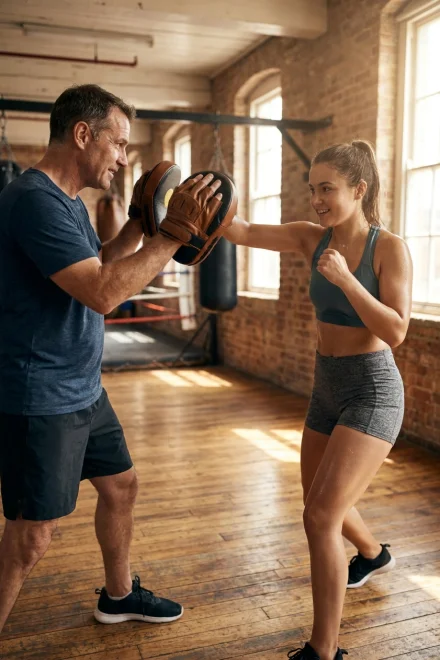
Advantages of training with precision paddles
The use of boxing paddles has revolutionized the way technical striking is worked. Their lightweight and elongated structure allows the trainer to simulate attacks more realistically, forcing the boxer to keep their guard up and dodge with agility.
Among their main benefits, the improvement of range and distance stands out. Being longer than a conventional focus mitt, the coach can maintain a more realistic combat distance, which helps the athlete better measure their steps and the extension of their arms.
Additionally, paddles encourage cleaner striking. By not offering as wide a surface as a shield or a thick focus mitt, the boxer must concentrate on impacting with the correct knuckles in the center of the target, avoiding technical bad habits that can lead to injuries.
- Drastic reduction of impact on the coach's joints.
- Greater freedom of movement to simulate counterattacks.
- Development of surgical precision in straight punches and hooks.
- Ease of working high-speed combinations.
- Notable improvement in coordination and reaction time.
In short, paddles are the tool of choice for those looking to take their striking technique to a higher level of sophistication and fluidity.
What to look for when choosing your boxing paddles
Not all boxing paddles are the same. To choose the ideal ones, it is essential to look at the quality of the materials and the ergonomics of the design. Genuine leather paddles tend to be more durable and offer a drier and more satisfying impact sound, which helps set the pace of training.
The grip and the safety strap are critical points. A good paddle should have a non-slip handle and a strap that fits the coach's wrist to prevent the paddle from flying off after a powerful strike. Weight is also key: they must be light enough to move quickly, but with the necessary padding to absorb the impact.
- Outer material: Natural or high-resistance synthetic leather.
- High-density foam core for impact absorption.
- Ergonomic handle with anatomical design.
- Reinforced safety straps at the base of the handle.
- Double stitching to ensure product longevity.
Considering these factors will ensure a durable investment that will protect both the athlete and the coach during months of intensive use in the gym.
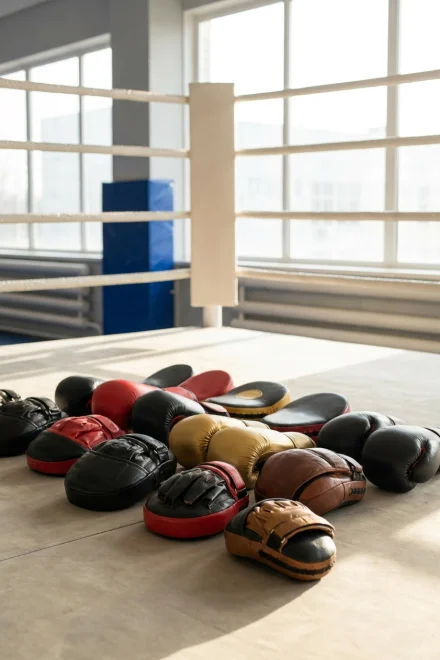
Types of paddles according to your level and goal
Depending on whether you are a professional coach or a practitioner training with a partner, there are different types of paddles that best suit each need. The right choice optimizes performance and minimizes the risk of unnecessary fatigue.
Below, we analyze which type of paddle is most recommended according to the user profile and the type of work to be performed in the session.
🥊 Professional Coaches
For intensive daily use, premium leather paddles with vibration absorption technology are recommended. They must be extremely lightweight to allow sessions of several hours without overloading the trainer's shoulders.
⚡ Speed and Reflex Work
Paddles with a smaller striking surface and an extra slim profile are preferred. This increases the difficulty for the boxer and allows the coach to perform 'whipping' movements to test defensive reflexes.
💪 Moderate Power Training
Although paddles are not for maximum power, there are models with a thicker core designed to withstand hits from heavyweight boxers without the impact being transferred directly to the coach's hand.
🔰 Beginners and Home Use
Synthetic leather paddles are an excellent economical option. They offer acceptable durability for occasional training and are perfect for learning the fundamentals of precision before moving on to professional equipment.
Choosing the right paddle based on the frequency of use and the athlete's weight will ensure a safer and more productive training experience for both parties.
Practical tips for using paddles correctly
✊
Hold the handle firmly but without excessive tension; let the paddle do the absorption work.
🎯
Constantly vary heights and angles to force the boxer to adjust their guard and their aim.
🔄
Use the paddle to gently 'touch' the boxer if they drop their guard, encouraging defensive responsibility.
🧼
Clean the paddles after each session with a damp cloth to remove sweat and prevent the material from cracking.
📏
Maintain a real combat distance; do not bring the paddle closer to the glove, let the boxer seek the target.
Conclusion: Is it worth investing in boxing paddles?
The short answer is yes. If you are looking to improve the technical quality of your striking or that of your students, boxing paddles are one of the best investments you can make. Their ability to develop precision and speed is superior to almost any other striking implement.
While heavy bags develop power and focus mitts develop explosive strength, paddles polish the details that separate an average boxer from an advanced one: timing, accuracy, and fluidity in foot and hand movement.
Always remember to prioritize grip quality and coach protection. A good pair of paddles will not only make the boxer more dangerous in the ring but will also prolong the coach's career by protecting their joints. It's time to take your precision training to the next level!
Frequently asked questions about how to choose boxing paddles
What exactly are boxing paddles or focus paddles?
They are training tools composed of a padded circular striking surface and a long handle. They are used to work on precision and speed, allowing the trainer to move the targets quickly without receiving direct impact on the hand joints.
What is the main difference between paddles and mitts?
The main difference is ergonomics and objective. Mitts are used for power and general technique, while paddles are designed for speed and to protect the trainer's elbows and shoulders, as the handle absorbs much of the strike's vibration.
What material is best for durable paddles?
Genuine leather is the most resistant and durable material for intensive use. However, high-quality synthetic leather (such as microfiber) is an excellent, more affordable option that offers great resistance to sweat and constant wear.
How do paddles help prevent injuries to the trainer?
By having a handle, the impact of the strike is not transmitted directly to the trainer's wrist and shoulder. This drastically reduces the risk of suffering from epicondylitis or chronic injuries in the joints after long training sessions.
What type of padding should boxing paddles have?
They should have high-density foam or gel layers. The padding should be firm enough to emit a sharp sound (pop) when hit, which helps the boxer know they have connected correctly, but absorbent enough to protect the hands.
Is the weight of the paddles important?
Yes, paddles should be lightweight. A reduced weight allows the trainer to move them with agility to simulate attacks or quick guard changes, which significantly improves the boxer's reflexes and reaction capacity.
What handle length is most recommended?
A medium-length handle (between 15 and 20 cm) is usually ideal. It should allow for a firm grip and have a wrist safety strap, preventing the paddle from flying off if the strike is very strong or off-center.
Can I train power with boxing paddles?
It is not highly recommended. Paddles are designed for precision and fluidity. For maximum power strikes, it is better to use large mitts or striking shields, as constant excessive force could damage the internal structure of the paddle's handle.
How should paddles be maintained and cleaned?
After each session, clean the surface with a damp cloth and a mild disinfectant to remove sweat. Let them air dry in a ventilated place, avoiding direct sunlight, to prevent the material from cracking or accumulating bad odors.
What level of experience is needed to use paddles?
Paddles are excellent for all levels, but they require the boxer to already have a minimum technical base, as the target is smaller than on a traditional bag or mitt, demanding greater strike control.