Boxing accessories
Last updated: April 17, 2026
How to choose the ideal boxing body protector for trainers and sparring
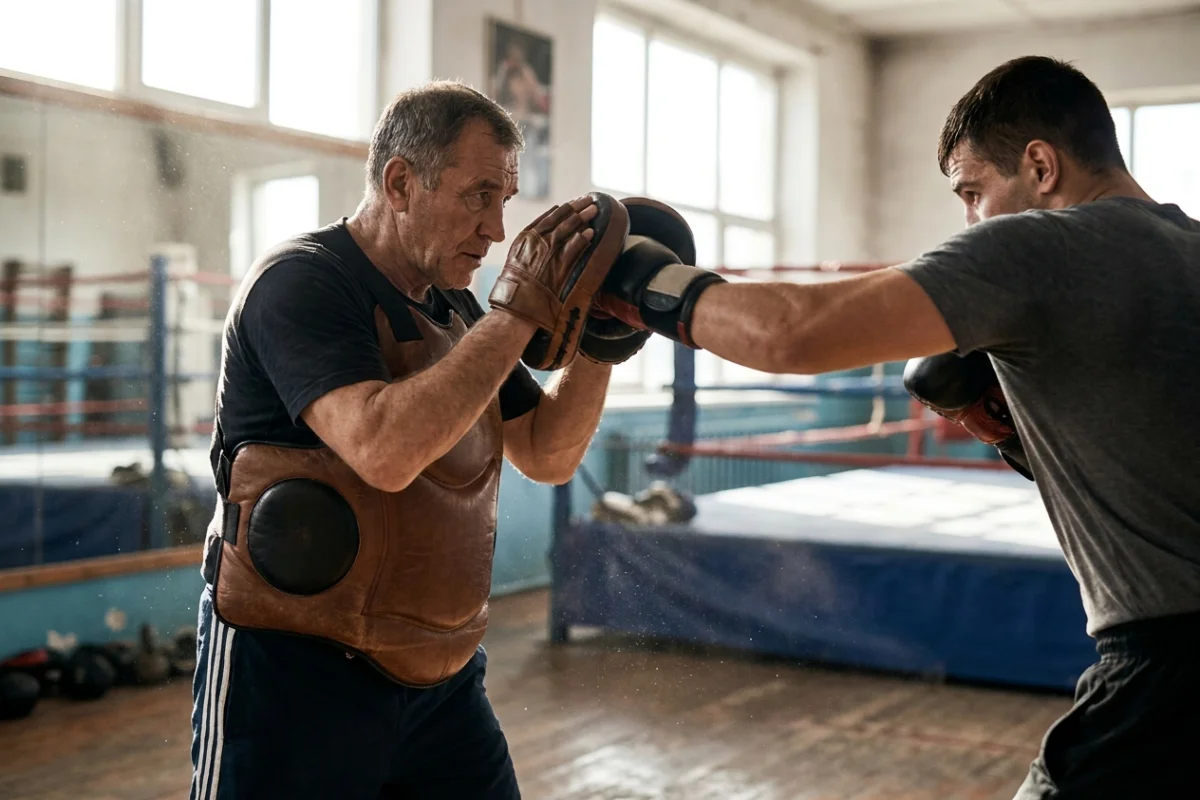
The boxing body protector, also known as a body shield, is a fundamental piece for any trainer or boxer looking to take their training to the next level without compromising their physical integrity. Unlike other equipment, the body protector is specifically designed to absorb high-power impacts in the torso, ribs, and solar plexus area.
In this guide, you will learn how to choose the ideal boxing body protector according to your role in the gym and the intensity of the blows you need to receive. We will analyze the types of padding, closure systems, and materials that guarantee a long lifespan for the equipment.
If you are looking for a protector that offers maximum impact absorption and mobility, here you will find the key criteria to make the best decision. A good body protector not only protects the wearer but also allows the boxer to strike with full power and realism during technical training sessions.
How to choose the ideal boxing body protector for trainers and sparring?
The boxing body protector, also known as a chest guard, is an indispensable tool for any trainer working on power and body shots. Its main function is to absorb the impacts of hooks, straights, and power punches, protecting the trainer's ribs, abdomen, and solar plexus.
Unlike other protectors, the body protector allows the boxer to hit with realism and maximum force without injuring their partner. A good body protector must balance two critical factors: absorption capacity and trainer mobility. If the protector is too rigid, the trainer will not be able to move correctly; if it is too thin, the impacts will end up causing internal injuries or bruising.
There are various options on the market, from lightweight protectors for speed to ultra-reinforced models for heavyweights. Choosing the right one depends on the type of training you usually perform and the power level of your pupils or sparring partners.
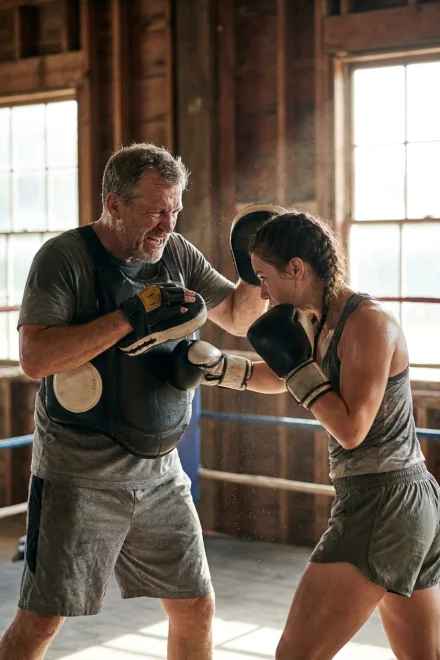
Advantages of using a professional boxing body protector
Using a high-quality boxing body protector completely transforms focus mitt and combat drill sessions. The most obvious advantage is comprehensive torso protection, allowing the trainer to stay close to the boxer to simulate real combat situations in infighting.
These protectors are designed with multiple layers of high-density foam and, sometimes, gel inserts that dissipate impact energy. This drastically reduces trainer fatigue, allowing for longer and more productive sessions. Additionally, by feeling safe, the trainer can focus on correcting the boxer's technique and timing instead of worrying about the pain of the impact.
- Maximum impact absorption in critical areas such as the ribs.
- Allows training real head and body combinations.
- Increases the boxer's confidence by being able to hit with power.
- Ergonomic design that adapts to the body's contour.
- Long durability against intensive daily training.
Considerations on weight and mobility
Although protection is vital, an excessively heavy body protector can be a disadvantage. Trainers who need to move constantly around the ring usually prefer more compact and lightweight models. A very bulky protector can limit arm movement when holding focus mitts or pads, which affects the fluidity of the training.
Another aspect to consider is heat accumulation. Body protectors cover a large surface area of the torso, which generates a lot of sweating. It is essential to look for models with breathable inner linings or materials that do not absorb sweat to prevent the equipment from gaining extra weight during the session and to facilitate subsequent cleaning.
- Excessive weight can fatigue the trainer's shoulders and back.
- Very wide models can make it difficult to close the guard.
- Lack of ventilation can be uncomfortable in hot climates.
- It is necessary to find a balance between thickness and agility.
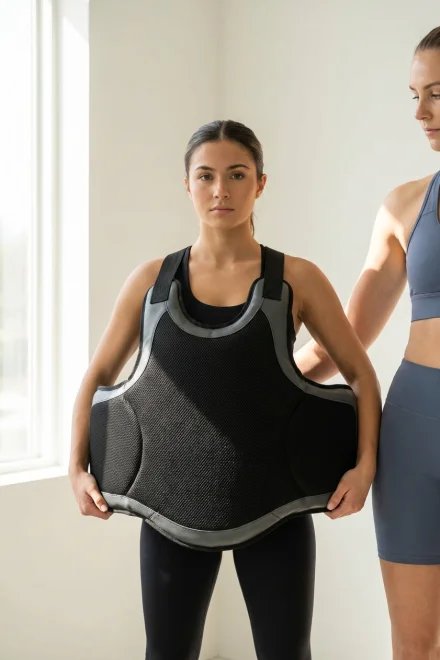
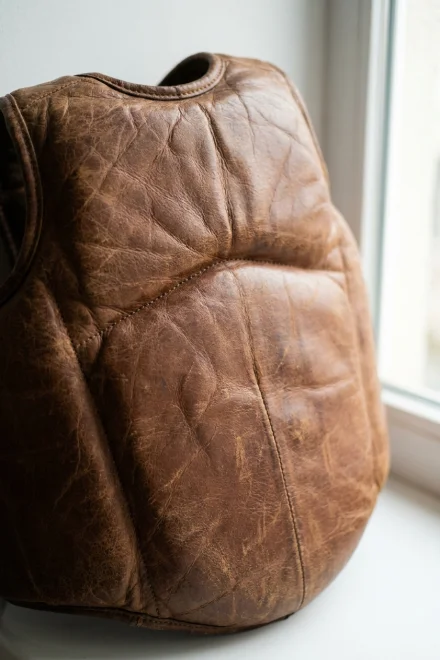
Materials: Natural vs. Synthetic Leather
The choice of outer material will determine the lifespan of your boxing body protector. Natural leather remains the gold standard in professional boxing due to its resistance to wear and its ability to adapt to the body's shape over time. It is ideal for gyms with a very high volume of work.
On the other hand, modern synthetic materials, such as microfiber leather or high-quality PU, have evolved enormously. They are easier to clean, resist sweat moisture better, and are usually more affordable. For personal use or in gyms with moderate use, a good quality synthetic body protector is an excellent and durable option.
- Natural leather: Maximum durability and professional feel.
- Microfiber: Great resistance and lightness.
- Synthetic (PU): Economical and easy to maintain.
- Reinforced stitching: Vital to avoid tears at stress points.
Adjustment and closure systems
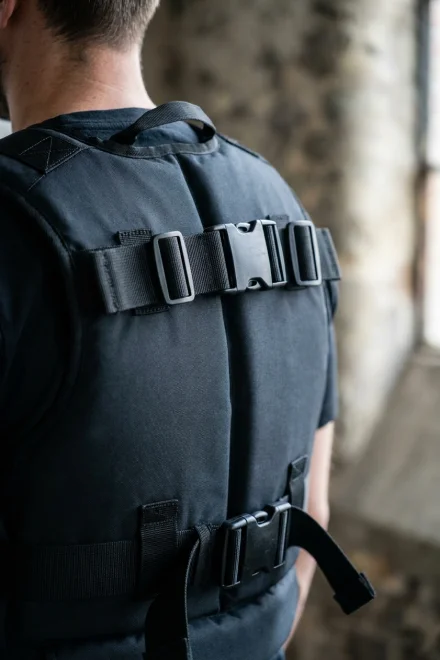
A body protector that moves during training is dangerous and uncomfortable. The adjustment system must be robust and allow the protector to stay close to the body without restricting breathing. The most common systems use nylon straps with high-resistance plastic buckles or wide Velcro closures.
High-end models often include cross straps on the back (X-type) that distribute the weight of the protector evenly over the shoulders, avoiding strain on the neck. Make sure the straps are adjustable so you can use the protector over different types of training clothing.
- Cross straps for better weight distribution.
- Quick-release buckles for greater convenience.
- Lumbar adjustment to prevent the protector from sliding up towards the chin.
- Padding on the shoulder straps to prevent chafing.
Conclusion: Which is the best body protector for you?
There is no single "best" boxing body protector, but rather the one most suitable for your specific needs. If you are a trainer working with heavyweight boxers, your absolute priority should be the thickness and density of the padding. In contrast, if you focus on speed work and movement with lightweights, a more streamlined and lightweight model will be your best ally.
Investing in a good body protector is not just a matter of comfort, but of long-term health. Repeated impacts to the body, even if cushioned, can cause micro-injuries if the equipment is not adequate. Prioritize recognized brands that guarantee combat-tested materials.
Selection guide according to the type of use
To help you decide, we have classified boxing body protectors according to the user profile and the type of training that will usually be performed.
🥊 Professional Trainers
Require natural leather protectors with multi-layer padding. They must withstand hours of daily use and offer maximum protection against high-power strikes.
🏃 Speed and Cardio Work
Lightweight and compact models, generally made of synthetic materials, which allow total mobility and do not overload the trainer's shoulders.
🥋 Muay Thai and Kickboxing
These protectors are usually longer to protect the lower abdomen and sides against kicks and knees, in addition to punches.
🛡️ Directed Sparring
Protectors with additional protection on the shoulders and sides, designed so that training partners can exchange body shots safely.
Remember that a good fit is as important as the material. A well-placed body protector will multiply its protective capacity.
Maintenance to prolong the life of your body protector
Sweat is the main enemy of your boxing equipment. To keep your body protector in optimal condition, it is vital to clean it after each session. Use a damp cloth with a solution of water and neutral soap to remove sweat residue from the outer and inner surfaces.
Never store a damp body protector inside a closed bag or in a place without ventilation, as this promotes the appearance of mold and bad odors. Let it air dry, but avoid direct exposure to the sun, as UV rays can crack leather or synthetic materials. If it is made of natural leather, applying a conditioning cream once a month will help maintain the material's flexibility.
Quick tips for choosing your body protector
📏
Check that the protector covers from the upper chest to below the navel for total protection.
⚖️
If you weigh less than 70kg, avoid ultra-heavy protectors; they will take away too much agility in the ring.
🪢
Look for closure systems that you can adjust yourself without needing external help.
🧼
Opt for water-repellent inner linings to prevent the padding from absorbing sweat and becoming heavier.
🥊
Try it on with your focus mitts on to ensure the protector does not interfere with your elbow movement.
Final summary
Choosing the ideal boxing body protector is a decision that directly affects the quality of your training and your physical integrity. Whether you opt for a professional leather model or a lighter synthetic one, make sure it meets safety standards and fits your physique perfectly.
A well-protected trainer is a trainer who can demand the maximum from their boxers. Do not skimp on safety: a good body protector is an investment that will accompany you for years in the gym, allowing you to enjoy the noble art of boxing without unnecessary risks.
Frequently asked questions about how to choose a boxing body protector
What is a boxing body protector and why is it important?
The boxing body protector is a padded shield that covers the trainer's or sparring partner's torso. It is vital because it allows receiving body shots with real power, protecting internal organs and ribs, which facilitates a much more realistic and safe training.
How do I know if a boxing body protector is of good quality?
A quality body protector must have high-density multi-layer padding and be made of genuine leather or high-resistance synthetic leather. Additionally, the seams must be reinforced to withstand the constant pressure of heavy impacts without deforming.
What is the difference between a light and a heavy body protector?
Light body protectors offer greater mobility and agility for the trainer, ideal for working on speed and movement. Heavy body protectors have much thicker padding, specifically designed to absorb hooks and high-power strikes from heavyweight boxers.
How should the body protector fit the body?
The body protector should fit firmly but allow for breathing. It should not slide up when receiving impacts nor excessively limit arm movement. Cross-strap systems on the back usually offer the best support and weight distribution.
Is a boxing body protector the same as a groin guard?
No. The groin guard protects the pelvic and genital area, while the boxing body protector covers the abdomen, ribs, and chest. They are complementary and, in intense sparring sessions or pad work, the use of both is recommended.
Which material is more recommended: leather or synthetic?
Natural leather is more durable and adapts better to the body over time, being the preferred option for intensive professional use. High-end synthetic leather is an excellent, more economical, lightweight, and easy-to-clean alternative for regular training.
How should the body protector be cleaned after training?
Because it accumulates sweat, it is essential to clean it with a damp cloth and neutral soap after each use. Always dry it in the open air in a ventilated place, avoiding direct exposure to the sun or heat sources so that the material does not crack.
Are there sizes for boxing body protectors?
Most are one size fits all (One Size) thanks to their adjustable straps. However, some professional brands offer S/M and L/XL sizes. It is important to verify that the body protector covers from the lower part of the chest to the waistline for total protection.
When is it necessary to change the boxing body protector?
You should replace it when the padding feels soft or 'sunken' in the impact zones, or if the fastening straps have lost their elasticity. A worn-out body protector stops absorbing the energy of the strike, transferring it directly to the trainer's body.
Can the body protector be used for other disciplines like Muay Thai?
Yes, boxing body protectors are very versatile. In Muay Thai or Kickboxing, they are essential for practicing knee strikes to the body and hand combinations, although in these disciplines, models with reinforced side protection for 'low kicks' are usually preferred.