Boxing accessories
Last updated: May 11, 2026
How to choose the ideal boxing knuckle protectors for your protection and comfort
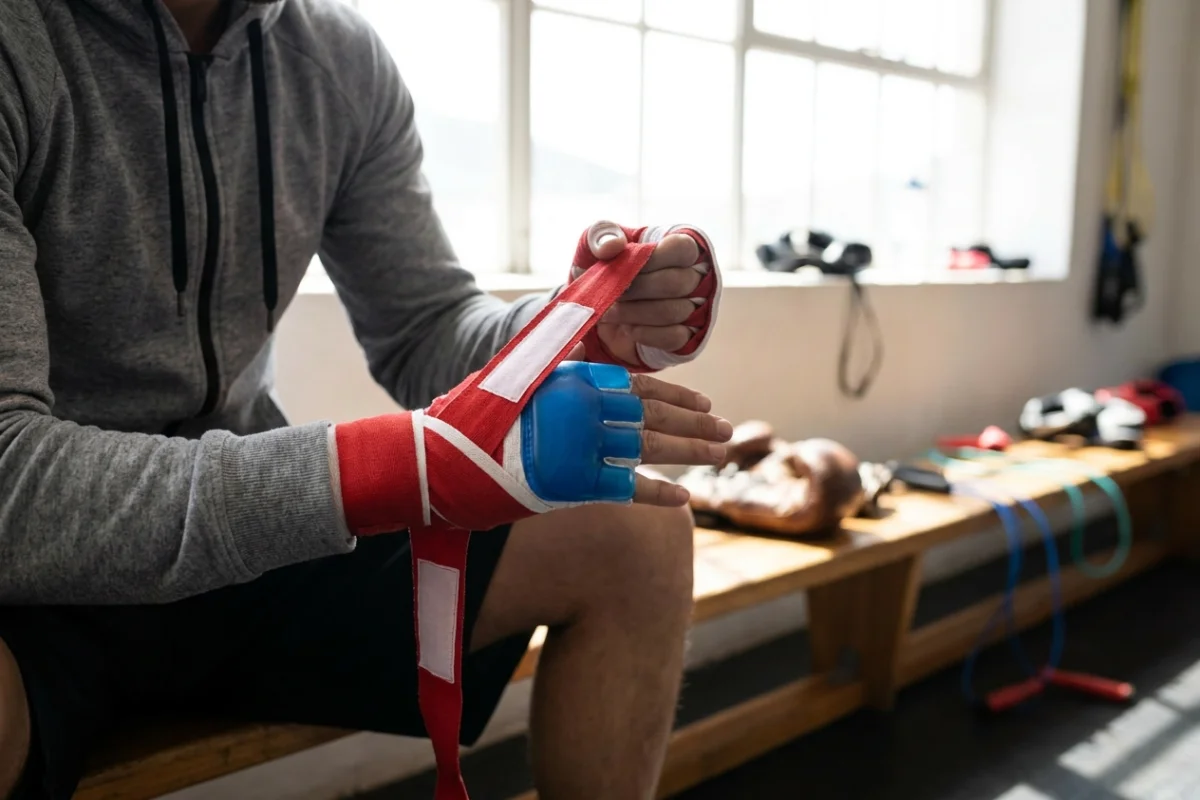
In boxing, your hands are your primary tool and, at the same time, the area most vulnerable to impact injuries. Often, conventional wraps are not enough for those with a powerful punch or sensitive hands, and this is where knuckle protectors come into play.
Choosing the right protector can make the difference between a productive training session and an injury that keeps you away from the ring. Factors such as cushioning material, thickness, and compatibility with your gloves are essential to ensure optimal protection without sacrificing technique.
In this guide, you will learn how to choose the boxing knuckle protectors that best suit your needs. We will analyze the differences between gel and foam, how to correctly integrate them into your hand wraps, and what technical aspects you should consider to maximize impact absorption in every punch.
Why are knuckle protectors essential in boxing?
In the world of boxing and contact sports, hands are the primary tool and, at the same time, one of the most vulnerable areas. Knuckle protectors are accessories designed to offer an extra layer of cushioning between the hand and the glove, absorbing the impact generated when hitting the bag or sparring.
Many boxers, from beginners to professionals, suffer from chronic pain or stress injuries in the metacarpals. Using proper protectors helps to disperse the impact energy evenly, preventing all the impact from falling on the small bones of the hand.
Unlike traditional wraps, which focus primarily on wrist support and bone alignment, knuckle protectors are specifically manufactured to maximize comfort and safety in the impact zone, allowing for longer and safer training sessions.
Types of protectors and main materials
Not all knuckle protectors are the same. Depending on your punching style and the sensitivity of your hands, there are different options that offer different levels of protection and volume.
1. Gel Protectors
They are the most popular due to their ability to absorb vibrations. They are usually pieces of silicone or gel covered in neoprene that slide over the knuckles before putting on the wraps. They are ideal for those looking for a soft cushioning feel and superior protection against dry impacts.
2. High-density foam (Foam)
These protectors use layers of technical foam, similar to what is found inside high-end gloves. They offer firmer and more structured protection, being preferred by boxers who hit with a lot of power and need the protector not to shift or compress too much over time.
3. Wraps with integrated protector
They are an "all-in-one" solution. They consist of an elastic wrap that already incorporates a gel or foam pad in the knuckle area. They are very easy to put on and save time, although they sometimes offer less wrist support than a traditional wrap combined with an independent protector.
4. Japanese-style protectors (Winning)
Highly valued in professional boxing, these are rectangular pieces of very light but extremely absorbent foam. They are placed directly over the knuckles and secured with the wrap. They stand out for adding almost no weight and offering professional protection without being too bulky inside the glove.
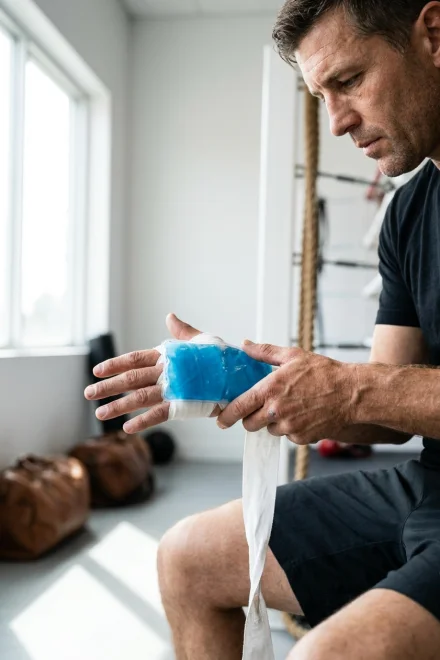
When to integrate protectors into your equipment
The use of knuckle protectors is not mandatory for all training sessions, but it is highly recommended in specific situations. If you perform intensive heavy bag work, your hands receive a constant impact load that can weaken the joints in the long term. In these cases, the protector acts as an essential preventive shield.
They are also fundamental for boxers with small or thin hands who feel their knuckles moving inside 14 or 16-ounce gloves. The protector fills that extra space, ensuring the hand is firm and protected.
However, if you are doing shadow boxing or light technique exercises, you could do without them to gain lightness. The key is to listen to your body: if you feel discomfort in the impact zone at the end of the session, it is a clear sign that you need to add this accessory to your routine.
Tips for choosing the ideal protector
Choosing the right protector requires considering both the size of your hand and the type of glove you usually use. A protector that is too thick can make it impossible to close your fist correctly inside the glove.
- Check the thickness: Make sure the protector is not so bulky that it compromises the circulation in your hand when closing the glove.
- Compatibility with your wraps: If you use short wraps (2.5m), an integrated protector may be better. If you use long wraps (4.5m), an independent foam protector is ideal.
- Breathable material: Look for models that allow sweat to escape to prevent the hand from slipping inside the glove.
- Ease of washing: Gel protectors are usually easier to clean and dry faster than dense foam ones.
Remember that protection should not sacrifice technique. A good protector should allow you to feel the punch without it being painful, always maintaining the natural ergonomics of your hand.
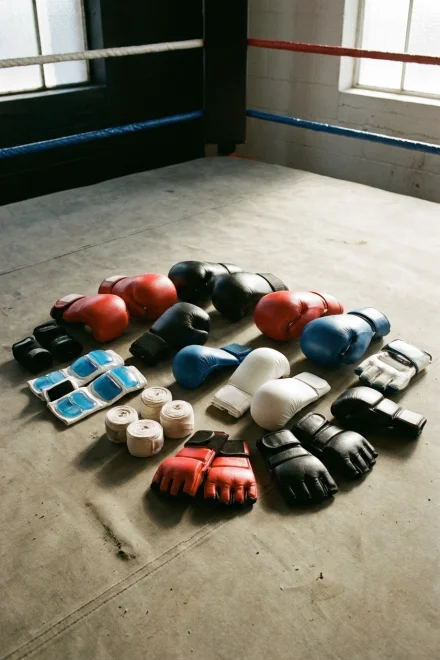
Common mistakes when using knuckle protectors
Even with the best equipment, poor application can negate the benefits of protectors. One of the most frequent mistakes is placing the protector too high or too low, leaving the actual impact zone unprotected and creating uncomfortable lumps in the palm of the hand.
Another common mistake is tightening the wraps too much over the protector. By adding the volume of the gel or foam, the pressure on the hand increases considerably. If the wraps are too tight, you could suffer numbness or lack of blood flow during training.
Finally, many users forget to renew their protectors. With constant use, the gel can crack and the foam can lose its recovery capacity (memory), ceasing to absorb impacts efficiently. Check your equipment periodically to ensure it continues to fulfill its protective function.
Conclusion
Investing in good knuckle protectors is a smart decision for any boxing practitioner who values the health of their hands. Not only do they provide immediate comfort, but they are the best tool for preventing injuries that could keep you away from the gym for weeks.
Whether you opt for gel for maximum absorption or foam for firmer support, make sure they fit well with your gloves and wraps. A protected hand is a hand that can punch with confidence and power.
Don't wait until you feel pain to protect yourself; make knuckle protectors an indispensable part of your daily hand wrapping.
Frequently asked questions about how to choose boxing knuckle protectors
What are knuckle protectors and what are they for?
They are padded accessories placed directly over the knuckles, under the wraps. Their main function is to absorb and dissipate impact force, protecting the small bones of the hand and preventing inflammation or stress fractures.
Is gel or high-density foam padding better?
Gel offers superior impact absorption and conforms better to the shape of the hand, making it ideal for those suffering from chronic pain. Foam is lighter and usually offers a firmer, more traditional punching feel.
How should knuckle protectors be placed?
They are placed over the knuckles before starting the wrap or after the first few wrist turns. It is essential that the wraps cover the protector completely to fix it in place and prevent it from shifting during training.
Can I use knuckle protectors with 10 or 12-ounce gloves?
Yes, but you must keep in mind that the protector adds volume. If your gloves are very tight, a thick protector could restrict circulation or prevent you from closing your fist correctly. For small gloves, low-profile protectors are recommended.
Do they really help prevent 'boxer's hand'?
Yes, they are one of the best defenses against knuckle joint capsule injury. By adding an extra layer of cushioning, they reduce direct pressure on the joints, minimizing the risk of cumulative trauma.
Are they suitable for competition or only for training?
They are generally used only in heavy bag, mitt work, and sparring training. In professional or amateur competition, hand wrapping is usually regulated, and the use of prefabricated gel or foam protectors is not allowed unless specifically authorized by the regulations.
How do I know if the protector is my size?
Most are one-size-fits-all or come in S/M and L/XL. The protector should cover from the first to the fourth knuckle without protruding excessively from the sides of the hand, allowing for natural finger flexion.
How often should I replace knuckle protectors?
You should replace them when you notice that the material (gel or foam) has permanently compressed or lost its rebound capacity. A worn-out protector stops fulfilling its safety function and can give a false sense of protection.
Can knuckle protectors be washed?
Most neoprene models with gel can be hand-washed with cold water and mild soap. It is vital to air dry them and never use a dryer, as extreme heat can degrade the cushioning materials.
Are they recommended for exclusive heavy bag work?
Absolutely. The heavy bag is where the hand suffers the most stress due to the material's resistance. Using knuckle protectors on the bag allows for training with greater intensity and volume while reducing joint fatigue.