
Last updated: April 2, 2026
How to choose the ideal boxing headgear for your safety and performance
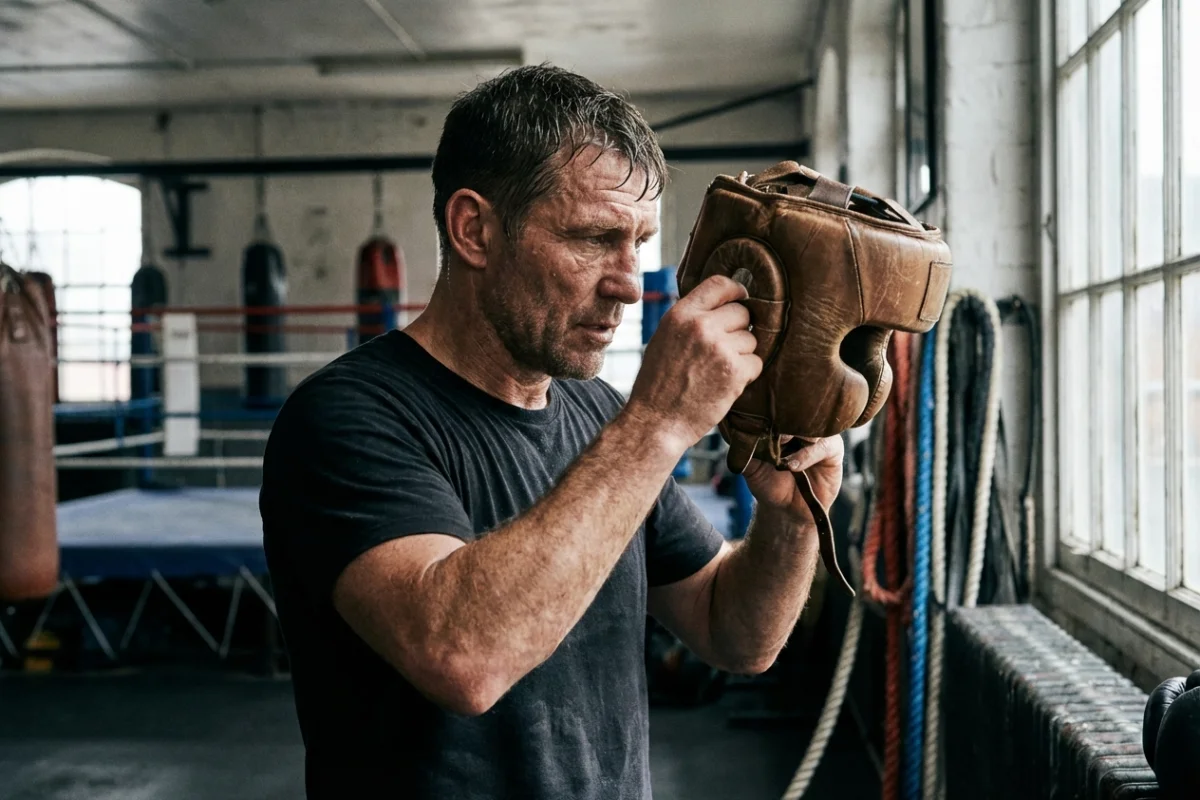
In the world of boxing, safety is the number one priority, especially when moving from bag work to direct contact. Headgear is a fundamental piece of equipment that protects critical areas such as the temples, cheeks, and forehead, reducing the risk of cuts, bruises, and superficial injuries during sparring.
Choosing the right model is not just about aesthetics; factors such as the field of vision, type of padding, and closure system determine whether the headgear will be an ally or a hindrance in the ring. Poorly fitted headgear can move in the middle of an exchange of blows, compromising your visibility and safety.
In this guide, you will learn how to choose the ideal boxing headgear by analyzing the different styles available, from open competition headgear to face bar headgear for maximum protection. With this information, you can invest in the equipment that best suits your fighting style and experience level.
Why is it essential to choose a good boxing headgear?
The headgear is one of the most critical elements of protective equipment in contact sports. Its main function is to absorb the impact of blows and reduce the risk of cuts, bruises, and superficial injuries to the face and head. A proper headgear not only protects your physical integrity but also increases your confidence during sparring, allowing you to focus on improving your technique and performance.
Safety in boxing is not something that should be taken lightly. A poorly received impact can cause anything from a simple concussion to more serious long-term injuries. Therefore, choosing a headgear that fits correctly and is made of high-quality materials is the best investment any boxer, whether beginner or professional, can make.
There are different types of headgear designed for different goals: from lightweight models that prioritize visibility to robust headgear that offers almost total facial protection. In this article, we will analyze the key factors so you can find the perfect balance between protection, comfort, and visibility.
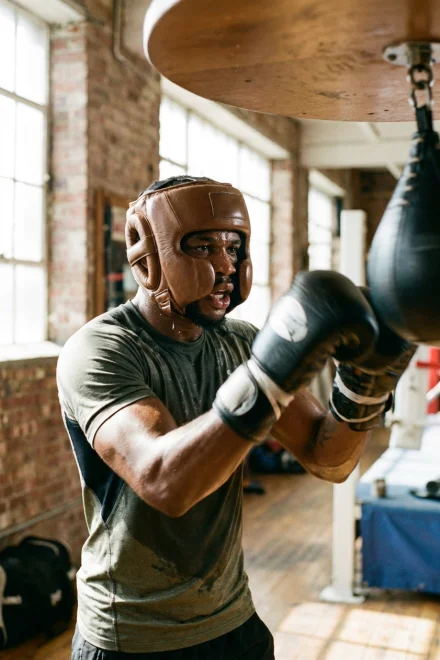
Open-face headgear: Visibility and lightness
The open-face headgear is preferred for amateur competition and speed training. Its minimalist design protects the forehead, the sides of the head, and, in some cases, the cheekbones, leaving the chin and nose area clear.
The main advantage of this type of headgear is that it offers a maximum field of vision. This is crucial for boxers who rely on their reflexes and defensive movements, as it allows them to detect punches coming from low angles or side hooks more easily. Additionally, by having less material, they are much lighter and generate less heat during intense exercise.
- Maximum peripheral and vertical visibility.
- Lower weight, which reduces neck fatigue.
- Better ventilation and breathability.
- Ideal for official competition and footwork.
However, its level of protection is lower compared to other models, leaving sensitive areas like the nose exposed to direct impacts.
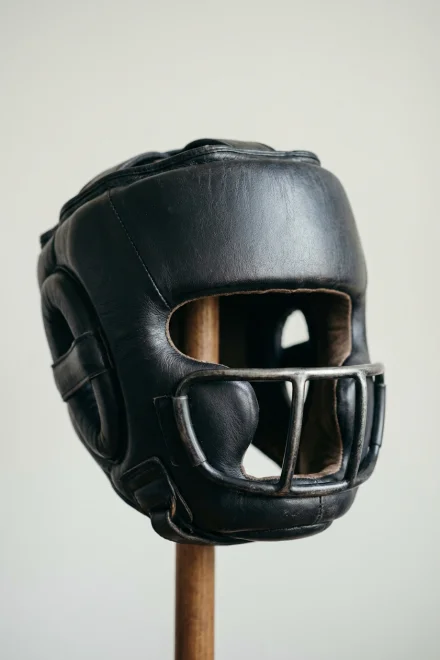
Face bar headgear: Total protection
For those who prioritize physical integrity over visibility, face bar headgear (also known as full-face or face bar headgear) is the ultimate option. These models incorporate a rigid bar that crosses the face, preventing the opponent's gloves from coming into direct contact with the nose or eyes.
They are especially recommended for heavy sparring sessions or for people who need to protect themselves from previous injuries to the nasal septum. Although they sacrifice part of the lower vision, the peace of mind they provide knowing that frontal impacts will be absorbed by the headgear's structure is unmatched.
- Comprehensive protection of the nose and eyes.
- Reinforced structure to absorb high-power impacts.
- Ideal for intense sparring and fight preparation.
- Prevents common facial cuts and fractures.
It is important to choose a high-quality model where the bar is not excessively bulky, to minimize the loss of peripheral vision.
The importance of the material: Leather vs. Synthetic
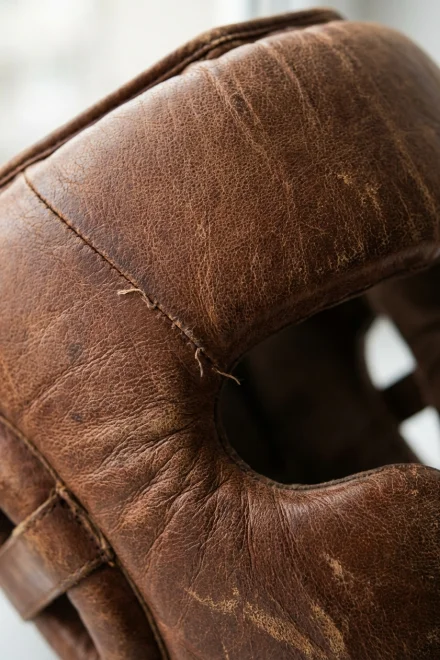
The durability and comfort of a headgear depend largely on the manufacturing material. The two most common materials are natural leather and synthetic leather (such as PU or vinyl).
Natural leather is the preferred choice for professionals. It offers superior breathability, which helps manage sweat, and has the ability to adapt to the shape of the head with use, becoming more comfortable over time. On the other hand, modern synthetic materials have evolved a lot, offering more affordable and easy-to-clean options, ideal for beginners or those who train occasionally.
- Natural leather: Greater durability, better fit, and breathability.
- Synthetic leather: More accessible price and simple maintenance.
- Interior: Look for non-slip linings that prevent the headgear from moving with sweat.
Regardless of the outer material, make sure the internal padding is made of high-density foam for optimal impact absorption.
Fit and size: The key to safety
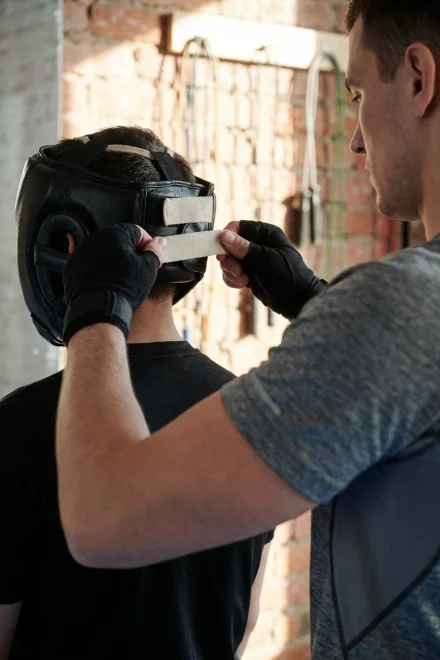
A headgear that moves during combat is more dangerous than wearing nothing at all. If the headgear shifts after receiving a blow, it can block your vision at a critical moment or cause painful chafing. Therefore, the correct fit is vital.
Most headgear uses closure systems with velcro, laces, or buckles. The laces at the top allow for a millimeter-perfect fit to the shape of the skull, while the rear velcro makes it easy to put on and take off quickly. The chin must also be well secured but without making breathing or speaking difficult.
- The headgear should not rotate when moving the head forcefully.
- It should not exert excessive pressure that causes a headache.
- The chin strap should be firm but comfortable.
- Verify that the ear protectors match your anatomy.
Remember to measure the circumference of your head above the eyebrows before buying to choose the correct size according to the manufacturer's chart.
Conclusion: Which boxing headgear to choose?
After analyzing the different options, it is clear that there is no "best" headgear for everyone, but rather one that best suits your specific needs. The final choice should be based on your level of experience, the type of training you do, and your personal priorities regarding safety.
If you are a boxer who values mobility and vision to dodge punches, an open-face headgear or one with cheekbone protection will be your best ally. Conversely, if you perform very intense sparring sessions or want to avoid nose injuries at all costs, a face bar headgear is the smartest investment.
Ultimately, the most important thing is that you feel comfortable and protected. A good headgear will allow you to enjoy boxing for many years, minimizing risks and maximizing your performance in every round. Do not skimp on quality when it comes to protecting your head.
The ideal headgear according to your boxer profile
To make your decision easier, we have prepared this quick guide that associates each type of headgear with the most suitable user profile and training environment.
🥊 Beginners and fitness boxing
For those starting out or practicing non-contact boxing, a synthetic leather headgear with cheekbone protection is sufficient. It offers a good balance between price and basic safety.
🛡️ Intense sparring and competitors
If you receive blows frequently, opt for natural leather headgear with multi-layer padding. Durability and absorption capacity are critical at this level.
👃 Priority nose protection
If you have a sensitive septum or cannot afford marks on your face for work reasons, the face bar headgear is the only option that guarantees zero contact with the nose.
🏆 Amateur Competition (AIBA)
Official competition requires approved open-face headgear. They do not have cheekbone protection to ensure that judges clearly see the impacts.
🧒 Children's boxing
For the little ones, lightness is the most important thing so as not to overload the neck. They must be very adjustable headgear that grows with the child.
🔥 Summer training or hot climates
Look for headgear with suede inner linings or technical materials that absorb sweat and prevent the equipment from constantly slipping.
Whatever your choice, make sure the headgear meets safety standards and that the materials are resistant to continuous wear.
Maintenance and care of your headgear
A quality boxing headgear can last many years if properly cared for. Sweat is the main enemy of materials, as moisture and salts can crack the leather and generate bacteria that cause bad odors.
1. Cleaning after training: When finished, wipe with a damp cloth to remove sweat from the inner and outer surfaces. Do not use aggressive chemicals that could damage the material's finish.
2. Correct drying: Never leave the headgear inside a closed gym bag. Let it air dry in a ventilated place, but avoid direct exposure to the sun or heat sources such as radiators, as this hardens the padding and the leather.
3. Disinfection: You can use specific sprays for sports equipment that eliminate bacteria without damaging the material. This will keep your headgear fresh and free of unpleasant odors for much longer.
Quick tips for a smart purchase
Always measure your head and consult the specific size guide of each brand before buying.
Try on the headgear and verify that you have good peripheral vision; it is your first line of defense.
If you sweat a lot, choose an interior made of non-slip material to prevent the headgear from moving.
Check the padding periodically. If you notice that the foam has become too soft, it is time to replace it.
If you have doubts, ask your coach; he knows your style and what level of protection you need.
Final conclusion: Your safety comes first
Choosing the ideal boxing headgear is a process that combines technical analysis with personal feelings. Do not be swayed only by aesthetics or price; the most important thing is that the equipment fulfills its function of protecting your brain and facial health.
A good headgear will allow you to train with greater intensity, improve your defensive skills, and, above all, enjoy this noble sport with the peace of mind of being well protected. Remember that in the ring, your best defense is good preparation, and that starts with the equipment you decide to use.
Frequently asked questions about how to choose boxing headgear
What types of boxing headgear are there?
There are mainly three types: open-face headgear (used in amateur competition, offers maximum visibility), cheek protection headgear (the most common for sparring), and face bar headgear (offers full protection of the nose and face, but reduces lower visibility).
How do I know what my headgear size is?
You should measure the circumference of your head at forehead level, just above the eyebrows. Each brand has its own size chart, but ideally, the headgear should fit firmly without creating painful pressure points.
Is a velcro or lace-up closure better?
Laces offer a more personalized and secure fit, ideal for intense sessions, although they require help to put on. Velcro is much more practical for putting on and taking off independently, making it the preferred option for daily training.
What material is more durable for headgear?
Natural leather is the most resistant and breathable material, adapting better to the shape of the head over time. Synthetic leather is a more economical and easy-to-clean option, ideal for beginners or tight budgets.
Does boxing headgear prevent concussions?
No. Headgear is designed to prevent cuts, lacerations, and facial fractures, as well as to cushion superficial impact. However, it does not eliminate the movement of the brain inside the skull after a strong impact, so defensive technique remains vital.
How much visibility should I sacrifice for protection?
It depends on your style. If you are a defensive boxer who relies on reflexes, you need headgear that does not block your peripheral vision. If you tend to take many hits or have a sensitive nose, face bar headgear is preferable despite the lower visibility.
How to prevent the headgear from moving during combat?
Make sure the fit on the chin and the back is correct. Headgear that slips is usually too large or has a worn closure system. Sweat also plays a role; suede interiors or non-slip materials help keep it in place.
When is it time to change my boxing headgear?
You should replace it if the padding feels soft or sunken, if the seams are broken, or if the outer material is heavily cracked. Compacted padding loses its impact absorption capacity, putting your safety at risk.
How should headgear be cleaned after training?
Clean the inside with a damp cloth and a bit of neutral soap to remove sweat. It is crucial to air dry it (away from direct sunlight or heat sources) to prevent bad odors and the proliferation of bacteria.
Can I use MMA headgear for boxing?
While possible, it is not ideal. MMA headgear is usually thinner to allow for grappling and ground fighting. Specific boxing headgear has denser padding designed specifically to absorb repetitive impacts from fists.