
Last updated: April 2, 2026
How to choose the ideal boxing boots to improve your performance
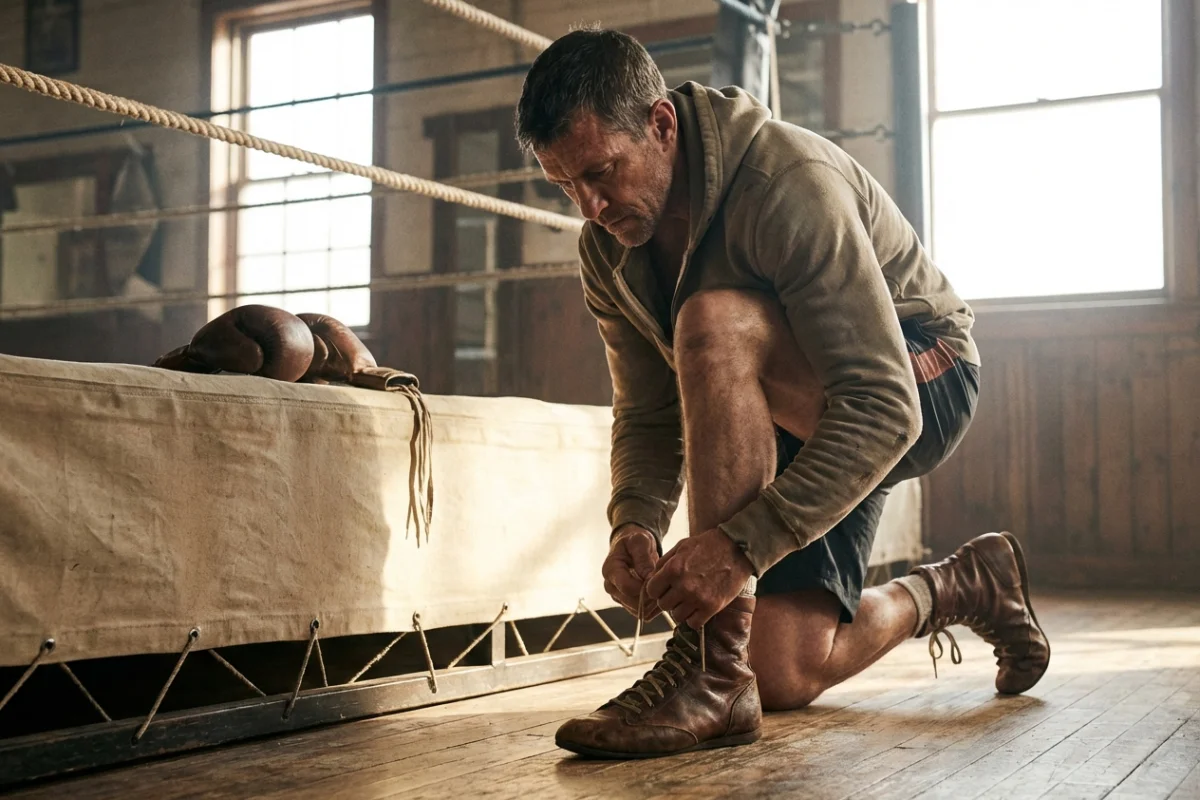
In boxing, footwork is as crucial as punching power. Many beginners make the mistake of training with conventional sports footwear, not knowing that proper boxing boots can make the difference between fluid movement and a possible ankle injury.
In this guide, you will learn how to choose the ideal boxing boots by analyzing key factors such as shaft height, sole type, and manufacturing material. Good footwear not only improves your traction on the canvas but also optimizes the transfer of force in every impact.
If you are looking to maximize your agility, stability, and protection inside the ring, here you will find all the information necessary to make a smart investment. Discover which model best suits your fighting style and how to ensure your feet are always ready for action.
How to choose the ideal boxing boots to improve your performance
In boxing, footwork is as important as punch power. Many beginners make the mistake of training with running shoes or generic athletic footwear, without realizing that this limits their agility and increases the risk of injury. Good boxing boots are specifically designed to offer traction, lateral support, and lightness.
Choosing the right pair is not just about aesthetics or brand. Factors such as the type of sole, the height of the shaft, and the manufacturing material directly influence how you move in the ring, how you pivot when throwing a punch, and how much fatigue your legs accumulate during training. Investing in the correct footwear is a step forward in your technique.
Below, we analyze the key points you should consider to find the boots that best suit your fighting style and physical needs.
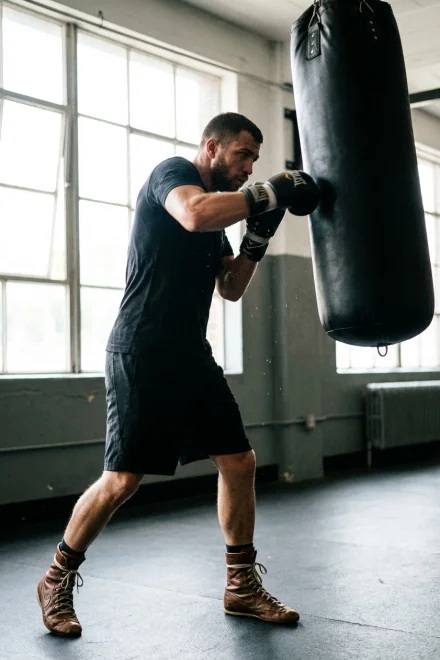
Benefits of using specific boxing boots
Using boots designed for the ring provides real competitive advantages. The main one is optimized traction: boxing soles are thin and made of rubber, allowing superior grip on the canvas to pivot precisely without slipping.
Another crucial benefit is ankle protection. Unlike low-cut footwear, boxing boots wrap around the joint, providing stability in fast lateral movements and preventing common sprains during intense exchanges of blows.
Lightness is also a determining factor. They are made with materials such as breathable mesh and lightweight synthetics that reduce weight on the feet, which translates into less muscle fatigue and greater reaction speed in movements.
Finally, ground contact is much more direct. By having a flat and thin sole, the boxer feels the surface better, which improves balance and allows for a more efficient transfer of energy from the legs to the fists when executing a punch.
Risks of choosing inadequate footwear for boxing
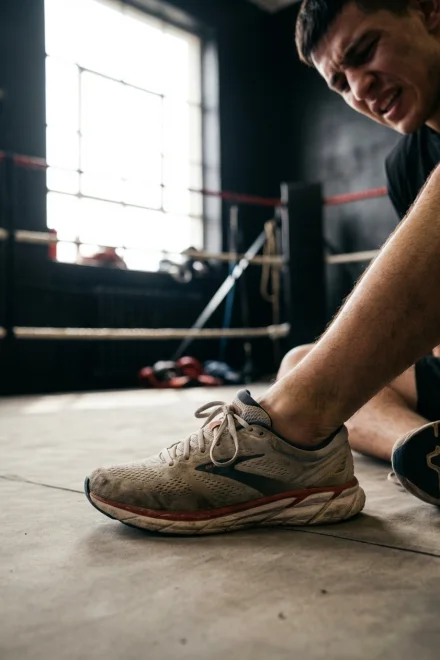
Training with shoes not suitable for boxing can compromise your safety. The excess cushioning of running shoes, for example, raises the center of gravity and increases the risk of ankle sprains.
Soles with too much tread can get stuck on the canvas when trying to pivot, which generates dangerous tension in the knees and ligaments.
The lack of lateral support in conventional footwear allows the foot to shift inside the shoe, causing blisters, chafing, and a notable loss of punching power.
Additionally, heavy footwear slows down footwork, making the boxer an easier target. Heat buildup due to lack of ventilation can also weaken the skin of the foot and cause severe discomfort.
How to choose boots according to your boxing style
Not all boxers move the same, and therefore, not everyone needs the same type of boot. Your weight, your height, and, above all, your fighting style will determine which model will help you perform at the highest level.
🥊 Out-boxer Style (Stylist)
If you move a lot around the ring and maintain distance, you need mid or high-top boots that are extremely light and have great grip for constant changes of direction.
👊 In-fighter Style (Slugger)
For those who seek close-quarters combat, boots with slightly firmer soles and great lateral stability are recommended, allowing the feet to be planted well to generate maximum power.
⚡ Fast boxers
Fighters who depend on their speed usually prefer low-top boots. These offer total freedom of movement for the ankle, allowing superior agility at the cost of less support.
🏋️♂️ Heavyweight boxers
Heavyweights need high-top boots with reinforced materials. Extra ankle support is vital for managing body weight during turns and avoiding joint injuries.
🔥 Beginners in training
For those starting out, a mid-top boot is the most balanced option. It offers enough protection without restricting movement too much, allowing the learning of foot technique safely.
🏟️ Exclusive ring use vs. gym
If you train on hard surfaces in addition to the canvas, look for boots with a somewhat more durable rubber sole to prevent the tread from wearing out prematurely outside the ring.
Identifying your fighting style is the first step to not making a mistake. Remember that the boot should feel like a second skin: tight enough to provide security, but flexible enough not to hinder your natural agility.
Tips for the maintenance of your boxing boots
Ventilate the boots after every workout. Take them out of the bag to avoid moisture buildup and bad odors.
Clean the sole with a damp cloth regularly. Accumulated dust drastically reduces grip on the ring canvas.
Use the boots only inside the gym or ring. Walking on the street with them wears down the thin sole and ruins the traction pattern.
Always use cotton or technical sports socks that absorb sweat, protecting the inside of the boot and your skin.
If you train daily, consider having two pairs to rotate. This allows the materials to recover their shape and dry completely.
Materials and technology in boxing footwear
Leather and Synthetic Leather Boots
Traditional leather boots offer exceptional durability and adapt to the shape of the foot with use. They are ideal for those looking for footwear that withstands years of intense training. On the other hand, modern synthetic leather has evolved to offer similar resistance with much less weight, being easier to clean and maintain.
Leather is usually preferred by old-school boxers who value firmness, while synthetic materials dominate the current amateur and professional market for their ability to integrate more efficient ventilation zones.
Technical Mesh
Most high-performance boots incorporate mesh panels. Their main function is heat management. During a fight, feet generate a large amount of sweat; the mesh allows air to circulate, keeping the foot dry and preventing the boot from gaining weight due to liquid absorption. It is the standard material for those who prioritize lightness above all else.
Rubber Soles and Grip Patterns
The sole is the most important technological component. Not only must it be thin, but it must have a pattern that allows pivoting without resistance but braking suddenly when necessary. Some brands use specific rubber compounds that improve grip even when the canvas is slightly damp from sweat.
In conclusion, the choice of material must balance the durability you need with the lightness your fighting style demands. A boxer who trains 5 days a week will need more robust materials than someone who practices boxing recreationally.
Comparison of characteristics according to the type of boot
| Characteristic | Low-Top | Mid-Top | High-Top | Recommended Use | Support Level |
|---|---|---|---|---|---|
| Mobility | Maximum | High | Limited | Speed / Light sparring | Low |
| Ankle Protection | Minimum | Moderate | Maximum | Competition / Heavyweights | Very High |
| Weight | Very Light | Light | Medium | Daily training | Medium |
| Stability | Low | Medium-High | Very High | Power boxers | High |
Frequently asked questions about how to choose boxing boots
Why is it important to use boxing-specific boots?
Boxing boots are designed to offer lateral support and specific traction on the canvas. Unlike running shoes, their thin sole allows you to feel the ground, facilitating pivoting and quick movements without the risk of sprains.
What is the difference between high-top and mid-top boots?
High-top boots offer maximum ankle support, ideal for those looking for extra stability. Mid-top or low-top boots allow for greater freedom of movement and are preferred by boxers who rely on extreme agility and constant changes of direction.
What should the sole of a boxing boot be like?
It should be thin, flat, and made of non-slip rubber. It is essential that it has a good grip to prevent slipping, but allows the foot to turn (pivot) easily when throwing punches like the hook or the cross.
What size should I choose for boxing footwear?
The boots should be snug but not tight. There should not be excessive space at the toe to prevent the foot from sliding, which would cause blisters or instability. It is recommended to measure them with hand wraps on to ensure a real fit.
Which is the best material: leather or synthetic?
Leather or hide offer greater durability and adapt to the shape of the foot over time. Synthetic and mesh materials are much lighter and more breathable, ideal for keeping feet cool during intense training.
Can I use running shoes for boxing?
It is not recommended. Running shoes have thick, cushioned soles that raise the center of gravity, increasing the risk of sprains when pivoting. Additionally, their excessive front grip can block the natural rotation of the foot.
How does the weight of the boot influence my agility?
Lightweight boots reduce leg fatigue during long rounds. Boxers who move a lot around the ring usually prefer microfiber or mesh models that minimize weight without sacrificing structure.
How often should I replace my boxing boots?
It depends on the frequency of use, but generally they should be changed when the sole loses its tread (traction) or when the ankle support feels soft and deformed, losing its protective function.
How to clean and care for boxing boots correctly?
Never wash them in a washing machine. Clean them with a damp cloth and let them air dry (away from direct sunlight) after each session to avoid bad odors. Using specific deodorants or silica bags helps absorb internal moisture.
Are boots necessary for training only with the heavy bag?
Yes, it is highly recommended. Training with the footwear you will use in combat helps to correctly mechanize footwork and pivoting, in addition to protecting your joints from repetitive impacts against the floor.