
Boxing accessories
Last updated: April 20, 2026
How to choose the ideal boxing sports bag for your equipment
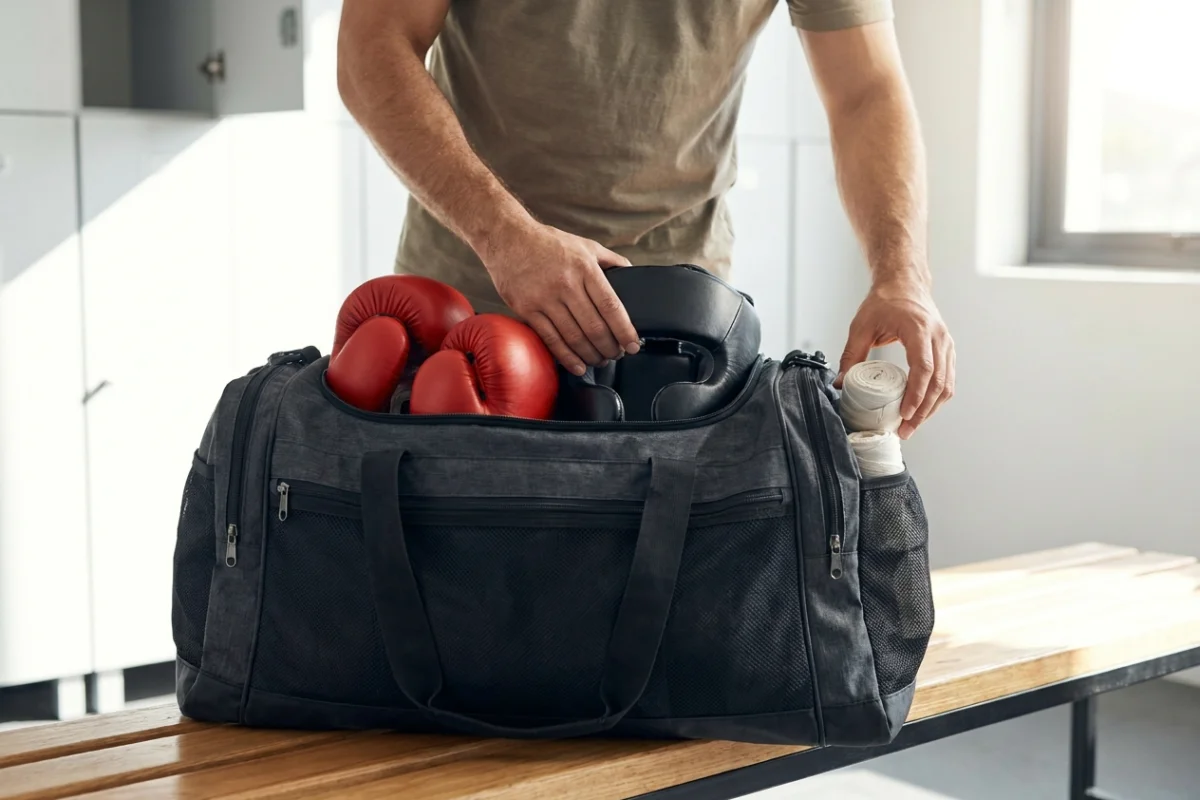
Transporting all boxing equipment can be a challenge if you don't have the right space. Between the gloves, the headgear, the boots, and the wraps, the volume of equipment is considerable, and choosing a suitable boxing sports bag is fundamental to maintaining the order and hygiene of your accessories.
In this guide, you will learn how to choose the ideal sports bag by analyzing key factors such as capacity in liters, the resistance of materials, and, above all, ventilation systems to avoid bad odors. A good choice not only facilitates transport but also extends the useful life of your training equipment.
If you are looking for a bag that combines durability, space, and ergonomics, here you will find the necessary tips to identify the model that best suits your routine, whether for going to the gym daily or for taking your equipment to competitions.
How to choose the ideal boxing gym bag for your equipment?
Choosing the right sports bag is essential for any boxing practitioner, whether a beginner or a professional. Unlike other disciplines, boxing requires transporting a large amount of bulky and specific equipment, such as gloves, wraps, shin guards, footwear, and mouthguards.
A good bag should not only serve to carry your belongings, but it must guarantee the protection of your equipment and facilitate organization. Sweat and moisture are critical factors in this sport, so the choice of material and ventilation design will make the difference in the durability of your accessories and general hygiene.
In this guide, we will help you identify the key points so that your investment is successful, prioritizing functionality, resistance, and comfort in every training session.
Types of bags according to your training style
Not all boxers need the same type of storage. Depending on whether you train at a nearby gym or if you have to travel long distances, there are different formats that adapt to your needs.
1. Classic sports bag (Duffel Bag)
It is the most common and versatile format. It offers a large top opening that allows you to put in and take out gloves and headgear with ease. They usually have a large volumetric capacity, ideal for those who carry full sparring gear.
2. Convertible boxing backpack
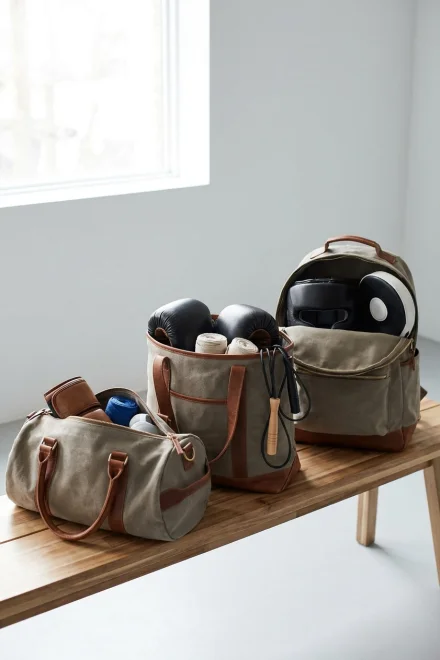
These backpacks are very popular because they can be carried on the back or transformed into a handbag. They are perfect for those who travel by motorcycle or bicycle, as they distribute weight in a balanced way and usually include padded compartments for electronic devices.
3. Mesh Bags
Although they are less resistant for heavy loads, they are the best option to maximize ventilation. Many boxers use them as a secondary bag inside the main one to separate wraps and sweaty gloves, allowing air to circulate constantly and preventing the proliferation of bacteria.
4. Bags with shoe compartment
If you use specific boxing boots, it is vital that your bag has a separate compartment at the base or on one side. This prevents dirt from the sole from coming into contact with your wraps or mouthguard, maintaining the hygiene of your contact equipment.
Capacity and size: How many liters do you need?
Size is the most common mistake when buying a sports bag. For a boxer, a standard 30-liter gym bag usually becomes small quickly once 16-ounce gloves and headgear are added.
If you only carry gloves and wraps, a 40 to 50-liter bag is sufficient. However, if your training includes sparring sessions where you need shin guards, headgear, two pairs of gloves, and a change of clothes, the ideal is to look for 60-liter or more options.
Remember that an overfilled bag puts pressure on the zippers, reducing their lifespan. It is preferable to have a little extra space so that the equipment is not compressed and can 'breathe' better.
Materials: Durability against intensive use
Boxing is a demanding sport and your bag will suffer constant friction and the weight of the equipment. The most recommended materials are high-density polyester and ballistic nylon, known for their resistance to tears and their ability to repel water.
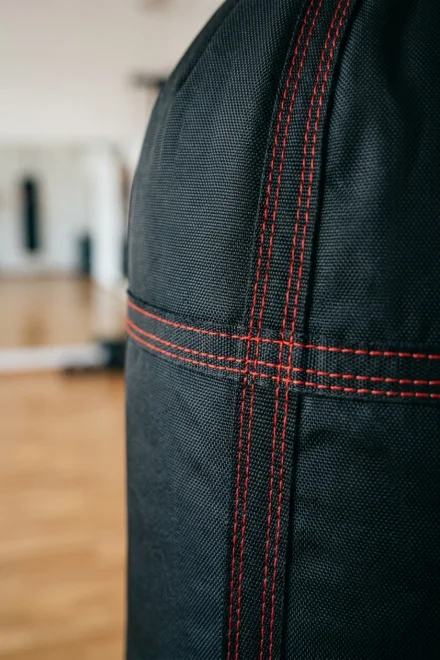
- Reinforced seams: Pay special attention to the connection of the straps with the body of the bag, as it is the point that suffers the most.
- Rigid or reinforced base: A resistant base protects your equipment when you leave the bag on the damp floor of the locker rooms.
- Inner lining: A good lining facilitates internal cleaning with a damp cloth, something essential to periodically remove the smell of sweat.
Investing in quality materials ensures that you won't have to replace your bag every few months due to broken handles or zipper failures.
Maintenance and hygiene of your bag
Even the best boxing bag will end up smelling bad if it is not maintained correctly. Boxing equipment absorbs a lot of moisture, and that moisture is transferred to the bag's fabric.
The first tip is to always empty the bag when you get home. Do not leave used gloves or wraps inside overnight. Leave the bag open in a ventilated place so that the interior dries completely.
You can use specific deodorizers or activated charcoal sachets to absorb residual moisture. Once a month, it is recommended to clean the interior with a solution of water and white vinegar or a mild disinfectant spray to eliminate bacteria without damaging the technical materials.
Conclusion
The sports bag is the logistical center for any boxer. Choosing the ideal model involves balancing the necessary space, ventilation, and material resistance. Do not see it just as a transport accessory, but as a tool that helps prolong the life of your gloves and protections.
Before deciding, analyze how much equipment you actually carry daily and always prioritize those models that offer separate compartments to maintain hygiene. An organized and clean bag is the first step to focused and professional training.
Take your time to choose and prioritize quality; your boxing equipment will thank you.
Frequently asked questions about how to choose the boxing sports bag
What capacity in liters should a boxing bag have?
For a complete set of equipment including gloves, headgear, boots, and a change of clothes, a capacity of between 40 and 60 liters is recommended. If you only transport gloves and wraps, a 30-liter one may be sufficient, although it is always preferable to have extra space for ventilation.
Why is it vital for the bag to have mesh or ventilation areas?
Boxing equipment accumulates a lot of moisture from sweat. A bag with mesh or grid panels allows for constant air circulation, which helps gloves and wraps dry faster, preventing the proliferation of bacteria and bad odors.
Is a backpack or a shoulder bag better for boxing?
It depends on your mobility. Boxing backpacks are ideal if you travel by motorcycle or bicycle, as they distribute weight evenly. Shoulder bags (duffel bags) usually offer a wider top opening, making it easier to visually access all the equipment at a glance.
What materials are the most resistant for these bags?
Look for materials such as ballistic nylon or high-density polyester (600D or higher). These fabrics are highly resistant to abrasion, support the weight of the equipment well, and usually have water-repellent treatments to protect the interior.
Should it have a separate compartment for boots?
Yes, it is highly recommended. A watertight compartment for footwear prevents dirt from the soles or sweat from the boots from coming into contact with your clean gloves, wraps, or spare clothes, improving general hygiene.
How can I eliminate the bad smell from my sports bag?
In addition to choosing a ventilated bag, it is fundamental to empty it when you get home, use disinfectant sprays, and occasionally wash it by hand with warm water and neutral soap, ensuring it dries completely in the shade before using it again.
How important are zippers in the choice?
It is a critical point of durability. Boxing equipment is usually bulky and strains the seams; therefore, make sure the bag has high-quality zippers (such as YKK) and reinforced pullers that do not break with intensive daily use.
Are there waterproof boxing bags?
There are models made of PVC tarpaulin or with water-repellent coatings. They are excellent if you usually walk in the rain or if you leave the bag on locker room floors that may be damp, keeping your equipment dry at all times.
What additional pockets are useful in a boxing bag?
Small zippered pockets for personal items such as the mouthguard, wraps, and keys are essential. It is also very useful to have an external bottle holder to have hydration always accessible during training.
How do I know if the bag is ergonomic?
Check that the shoulder straps are padded and adjustable. If you choose a high-capacity backpack, a padded back panel and a chest strap will help stabilize the load and avoid unnecessary strain on the back.