
Boxing accessories
Last updated: April 2, 2026
How to choose the ideal boxing mitts to improve your technique and speed
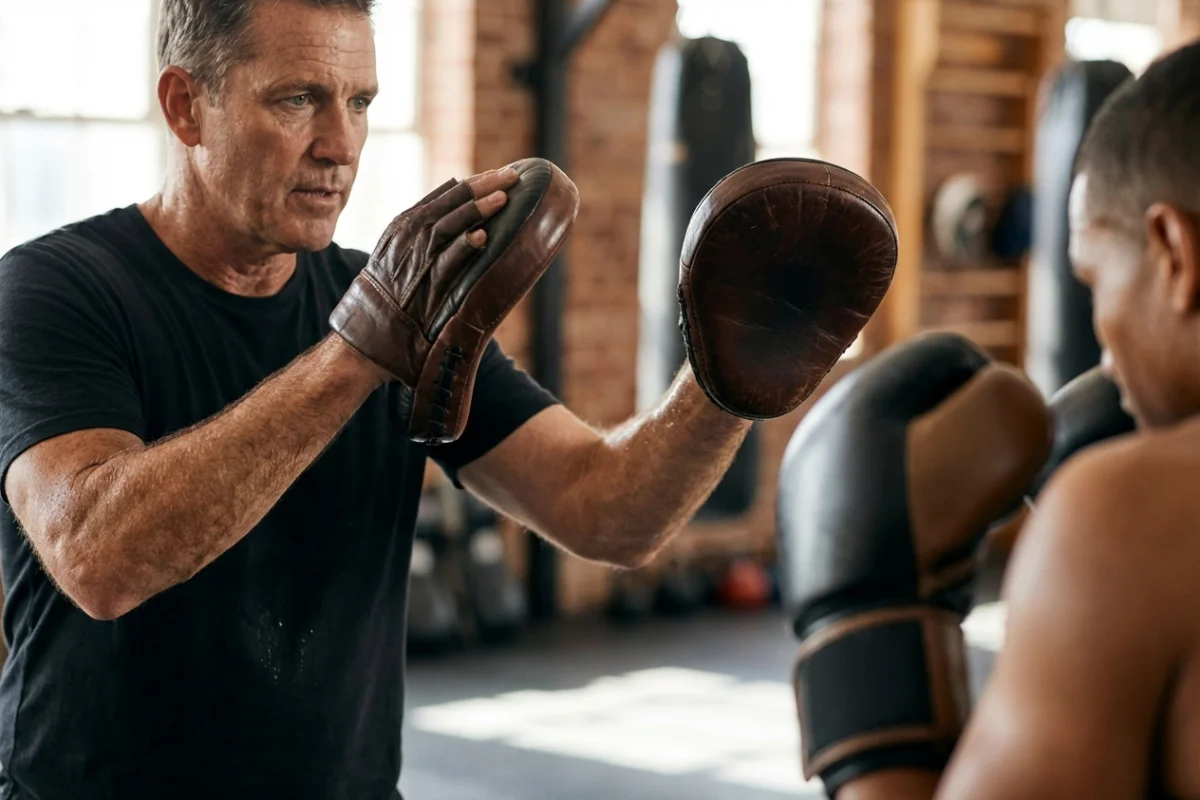
Choosing the right boxing mitts is essential for both the trainer and the boxer. This equipment, also known as focus mitts, is the key tool for developing precision, timing, and coordination in the ring. However, the wide variety of shapes and materials can make choosing the right model difficult.
In this guide, you will learn how to choose boxing mitts based on critical factors such as shock absorption, ergonomic design, and the type of training you perform. It is not the same to look for speed with micro mitts as it is to practice power with more robust and padded models.
If you want to maximize performance in your mitt work sessions and ensure the protection of the joints of both partners, you will find all the necessary information here. We will analyze everything from the most durable materials to the common mistakes you should avoid when making your purchase.
What are boxing mitts and what are they for?
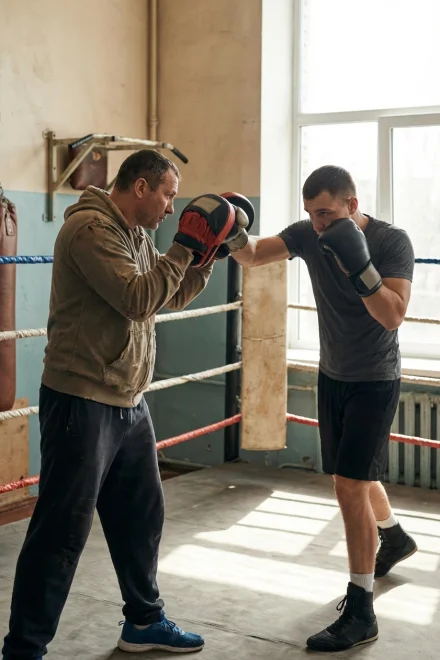
Boxing mitts are an essential tool designed to improve precision, speed, and coordination between the boxer and their coach. Unlike a static punching bag, mitts allow for simulating real combat situations, forcing the athlete to react to moving stimuli and adjust their technique in real time.
Their main objective is to develop aim and rhythm, allowing the coach to correct posture and punch execution instantly. When used correctly, mitts not only improve offense but also help work on defense, footwork, and reflexes.
There are various models adapted to every need, from curved mitts for better ergonomics to striking paddles designed to protect the coach's joints. In this guide, we will explore how to choose the most suitable ones to take your training to the next level.
Types of boxing mitts: which one to choose for your training?
There are different types of boxing mitts, and each one serves a specific function within a fighter's preparation. The choice depends on the goal of the session: whether you are looking for power, extreme speed, or pure technique. Good training is not just about hitting hard, but about the precision and fluidity of movements.
Curved mitts
Curved mitts are the most popular in modern boxing. Their ergonomic design adapts to the natural shape of the coach's hand and the trajectory of the boxer's punches, such as hooks or uppercuts. They help catch the punch more securely, reducing the risk of injury to the trainer's wrists.
They are ideal for working on precision and fast combinations. By allowing more natural contact, the boxer can focus on rotation technique and the exact impact in the center of the surface.
Flat or power mitts
These mitts are usually larger and have denser padding. They are specifically designed to absorb heavy impacts, making them perfect for working on punching power and endurance. Being heavier, they offer a stable surface for straight and powerful punches.
Although they are less agile than curved ones, they are indispensable for heavyweight boxers or for sessions focused on developing explosive strength. They are usually made of very resistant materials to withstand continuous punishment.
Micro-mitts or precision mitts
These are much smaller versions than the standard ones, barely covering the palm of the hand. Their goal is to force the boxer to be extremely precise. If the punch is not perfect, it will miss the target. They are excellent for improving eye-hand coordination and reaction speed.
They are recommended for advanced levels, as they require total control of the striking. They are lightweight, allowing the coach to move their hands very quickly to simulate attacks and force the boxer to work on their defense and slips.
Boxing paddles (Punch Paddles)
Paddles are a modern alternative to traditional mitts. They consist of a flat striking surface with a long handle. Their main advantage is that they eliminate direct impact on the coach's wrists and elbows, allowing for longer sessions without joint fatigue.
They are ideal for working on speed and rhythm, allowing the coach to "hit" back at the boxer safely to practice blocks and head movements. They are widely used in high-intensity training and cardio-boxing.
Comparison of the main types of mitts
The following table summarizes the most important characteristics of each type of mitt to help you decide which one best suits your goals:
| Mitt type | Advantages | Recommended level | Main objective |
|---|---|---|---|
| Curved | Ergonomics, safety, versatility | All levels | Technique and combinations |
| Flat | Great absorption, durability | Intermediate / Advanced | Power and strength |
| Micro-mitts | Maximum precision, lightness | Advanced | Aim and reflexes |
| Paddles | Coach protection, rhythm | All levels | Speed and defense |
Ultimately, the choice should be based on the balance between coach protection and the boxer's technical development. Many gyms choose to have several models to alternate depending on the day's focus, thus ensuring comprehensive and safe training.
Recommendations before using boxing mitts
Before starting to work with mitts, it is fundamental to understand that the success of the exercise depends as much on the one hitting as on the one holding them. Inadequate use can cause injuries to the wrists or elbows of both participants.
Key tips before starting
- Choose the right material: Genuine leather offers greater durability and better feel, while synthetic is ideal for beginners or tight budgets.
- Ensure the fit: The mitt must be firm on the coach's hand; if it wobbles, the risk of injury when receiving the impact is very high.
- Don't just look for power: Mitt work is for technique. If you want to hit with 100% of your strength, the heavy bag is a better option.
- Maintain real distance: The coach must move and position the mitts at a distance that forces the boxer to use their real reach.
- Always use wraps and gloves: Never hit the mitts with bare hands, as friction and impact can damage your knuckles.
Following these recommendations ensures that the training is productive and, above all, safe. Constant communication between the boxer and the coach is the key to improving fluidity and avoiding accidents.
Common errors when choosing or using mitts
Even with the best intentions, many practitioners make mistakes that limit their progress. These failures are usually related to a poor choice of equipment or deficient technical execution during the session.
- Buying mitts that are too heavy: Excessively heavy equipment slows down the coach and makes speed work difficult.
- Not offering resistance to the punch: If the coach leaves the hand dead, the boxer can hyperextend the elbow when hitting.
- Positioning the mitts too far apart: This creates bad habits in the boxer, forcing them to open their punches too much.
- Ignoring the sound of the impact: A sharp and sonorous hit indicates good technique; a dull sound usually means a poorly executed impact.
- Forgetting footwork: Mitts are not just for the hands; the boxer must move and maintain their guard at all times.
Avoiding these common errors allows the training to be much more realistic and effective. The key is to treat the mitts as a moving and reactive target, not as a static object.
Pros and cons of training with mitts
Working with boxing mitts is, for many, the most fun and productive part of training. However, like any tool, it has its advantages and limitations that must be known to maximize performance.
Among its benefits, the drastic improvement in precision and the ability to receive immediate feedback from the coach stand out. On the other hand, it requires a skilled partner, as misuse can lead to technical vices or overuse injuries.
Before investing in a professional pair, it is important to assess whether you have the space and the right partner to get the most out of them within a balanced training plan.
Frequently asked questions about how to choose boxing mitts
What is the difference between flat and curved mitts?
Curved mitts are ideal for catching punches naturally, offering greater comfort to the trainer and improving the boxer's precision. Flat mitts tend to be larger and are used to work on raw power, although they require better receiving technique from the trainer.
What is the best material for boxing mitts?
Genuine leather is the most recommended material for its durability and ability to withstand constant impacts without cracking. For tighter budgets, high-quality synthetic leather (PU) is an excellent option for occasional training.
What are 'micro' sized mitts used for?
Micro mitts or small-point mitts are specifically designed to work on extreme precision and speed. By having a reduced impact surface, they force the boxer to be much more accurate in their striking trajectories.
What should the ideal padding be like?
Look for mitts with multi-layer foam or gel layers. This type of padding distributes the impact force evenly, protecting both the boxer's knuckles and the trainer's wrists and elbows during intense sessions.
How important is the inner grip?
It is vital. A good grip should include an internal semi-sphere for the palm of the hand, which allows the trainer to hold the mitt firmly and prevent it from slipping or rotating when receiving powerful punches like hooks or uppercuts.
Is it necessary for mitts to have finger protection?
Yes, especially at advanced levels. Mitts with a finger cover protect the trainer from accidental impacts that could cause injuries to the phalanges or nails during the exchange of fast combinations.
How do you know if a mitt is light or heavy?
The weight is usually indicated in the manufacturer's specifications. For speed and reflex training, choose light models. If the goal is physical conditioning and power, slightly heavier and denser mitts will be more suitable.
How should mitts be cleaned to avoid bad odors?
After each use, clean the surface with a damp cloth and use specific disinfectant sprays for sports equipment. It is crucial to let them dry in a ventilated place, away from direct sunlight, to prevent sweat from deteriorating the internal material.
What type of closure is best for mitts?
The adjustable velcro closure is the most common and practical, as it allows the tension to be adapted to the trainer's wrist quickly. Some professional models include buckles for an ultra-firm fit, although they are less common in daily use.
Can I use boxing mitts to train MMA?
Yes, boxing mitts are excellent for improving striking in MMA. However, for comprehensive training that includes grappling or transitions, there are hybrid mitts that allow the hand to be closed to simulate real mixed combat situations.