Boxing accessories
Last updated: April 2, 2026
How to choose the ideal boxing groin protector for your safety and comfort
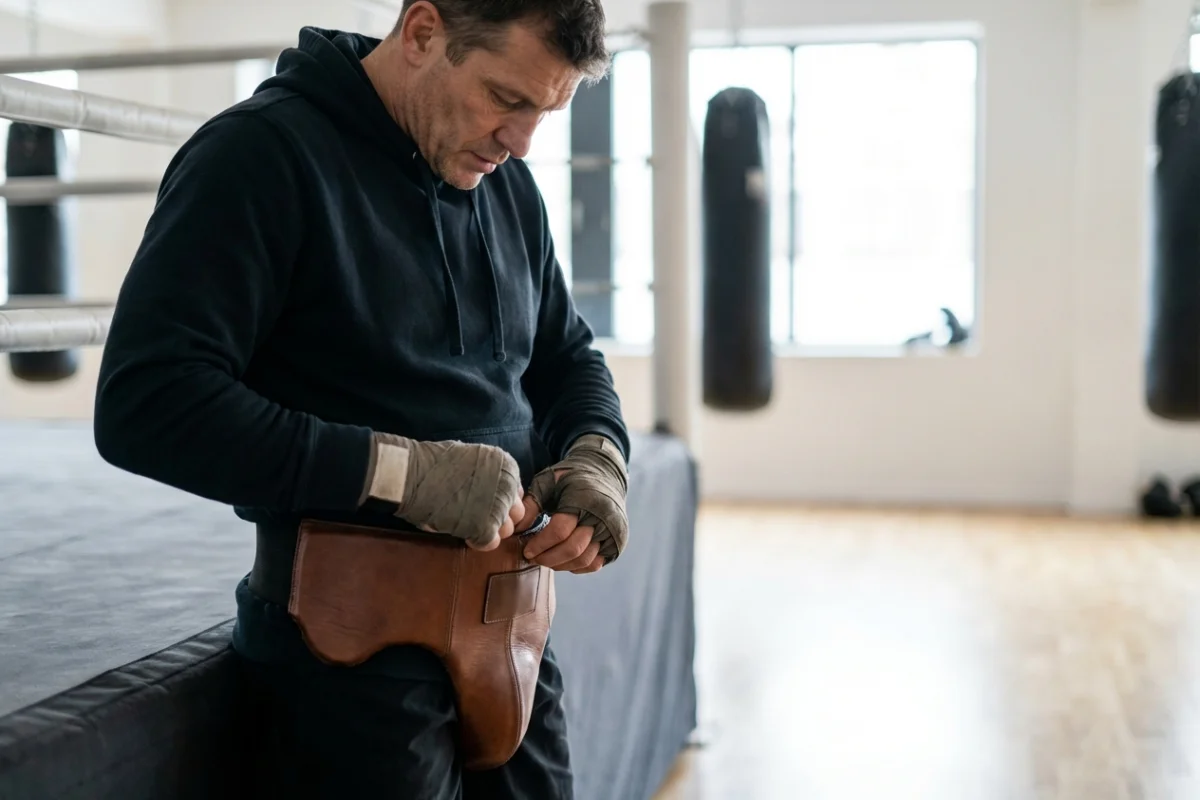
In boxing, protection is not limited just to the hands or the head. The use of a groin protector or cup is fundamental to prevent serious injuries caused by accidental low blows. Although it is not the most flashy equipment, choosing it correctly makes the difference between training with confidence or suffering a painful mishap.
In this guide, you will learn how to choose the boxing groin protector that best suits your body and intensity level. We will analyze the different styles, from basic cups to professional kidney protectors, and what factors to consider so as not to compromise your mobility.
If you are looking for equipment that offers maximum safety, ergonomic fit, and durability, here you will find the keys to identifying the ideal model. Protecting your physical integrity is the number one priority for any boxer, whether beginner or professional.
Why is it vital to choose a good groin protector in boxing?
Boxing is an intense contact sport where safety must be the absolute priority. The groin protector, also known as a cup, is an indispensable piece of equipment to protect one of the most vulnerable areas of the body against accidental blows. A poorly received impact can cause serious injuries, so having the right protection is not optional, but a necessity for any practitioner.
Beyond physical safety, using a proper protector provides psychological confidence. Knowing that you are well protected allows you to fully concentrate on technique, footwork, and combat strategy, without the constant fear of a low blow that could take you out of training or competition.
In today's market, there are various options, from minimalist models to full protectors. Choosing the right one depends on factors such as experience level, sparring intensity, and each boxer's morphology.
Types of groin protectors according to your level
There are different models designed to adapt to the needs of each boxer, from the beginner performing technique drills to the elite professional facing intense sparring sessions.
1. Basic cups or cup protectors
They are the most common for light training or fitness boxing. They consist of a rigid cup that is inserted into a jockstrap or the boxing shorts themselves. They are extremely lightweight and offer excellent mobility, although their coverage is limited exclusively to the genital area.
2. Competition protectors (Pro Style)
These models are bulkier and offer extended coverage that protects not only the groin area but also part of the lower abdomen and kidneys. They are usually made of high-quality leather and feature high-density foam padding to absorb powerful impacts without deforming.
3. Specific protectors for women
Female anatomy requires different protection. These protectors are usually flatter and wider, designed to protect the pelvic area and internal organs from direct impacts, always maintaining a low profile that does not interfere with leg movement.
4. Hybrid protectors
They combine the lightness of a cup with the stability of a wide belt. They are ideal for those looking for a balance between abdominal protection and agility, being very popular in disciplines like Muay Thai or Kickboxing, where hip mobility is crucial for kicking.
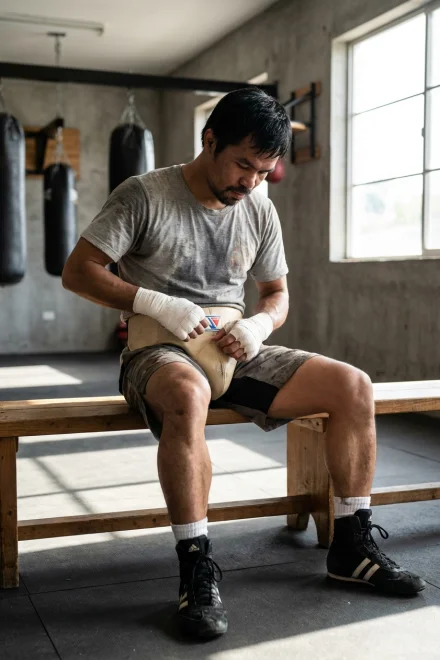
The importance of perfect fit and ergonomics
A protector that moves is a protector that does not fulfill its function. The fit must be firm enough so that the cup does not shift during lateral movements or the exchange of blows, but not so tight that it makes breathing or blood circulation difficult.
It is essential to try on the equipment with your usual training clothes to ensure the ergonomics are correct. A good protector should allow you to perform hip flexions and explosive movements without generating annoying chafing on the inner thighs.
If you notice that the protector constantly moves up or down, it is likely that the size is incorrect or that the elastic system has lost its tension. In boxing, a second of distraction to reposition equipment can be the difference between dodging a blow or receiving it.
Maintenance and hygiene of your protection equipment
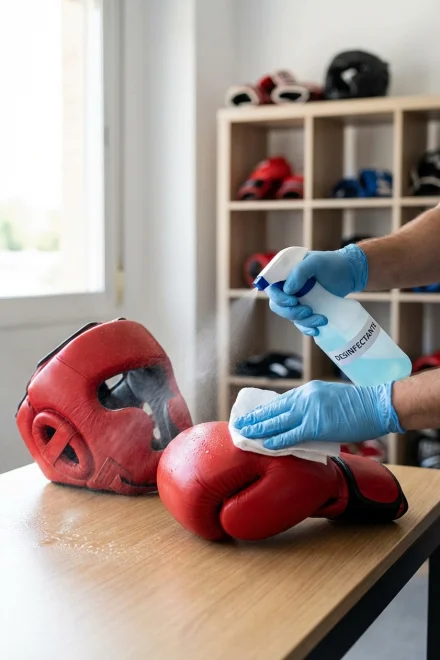
As it is a garment that is in direct contact with the body and sweat, hygiene is essential to prolong its useful life and avoid skin infections. Poor maintenance can degrade materials and cause the protector to lose its absorption capacity.
- Cleaning after each use: Wipe the entire surface with a damp cloth and a mild disinfectant.
- Air drying: Never store the wet protector inside the bag. Let it dry in a ventilated place.
- Avoid extreme heat: Do not leave it under direct sunlight or near radiators, as the leather or plastic could crack.
- Elastic check: Periodically check that the straps maintain their original elasticity to guarantee support.
Common mistakes when buying a boxing cup
One of the most frequent mistakes is prioritizing price over quality. An excessively cheap protector usually has poor padding that deforms quickly, failing to protect effectively after a few impacts.
Another common mistake is choosing the wrong size by not consulting the manufacturer's guide. A size that is too large will leave dangerous gaps where a blow can enter, while one that is too small will limit your agility and become unbearable after ten minutes of training.
Finally, many boxers forget that equipment has a limited useful life. If the rigid material shows cracks or the padding feels soft and sunken, it is time to renew your protector so as not to compromise your safety in the ring.
Conclusion
Investing in a high-quality groin protector is investing in your sports career and your long-term health. It doesn't matter if you are taking your first steps in the gym or preparing for your next amateur fight, safety should never be sacrificed.
When choosing your ideal model, always look for the balance between protection, comfort, and durability. Reliable equipment will allow you to train with the intensity needed to improve, giving you the peace of mind that you are protected against any unforeseen event.
Remember: in boxing, the best defense starts with well-selected and correctly adjusted equipment.
Frequently asked questions about how to choose the boxing groin protector
Why is it mandatory to use a groin protector in boxing?
It is essential to protect the genital organs and the pelvic area from accidental low blows. A direct impact without protection can cause serious internal injuries, severe bruising, or trauma requiring immediate medical attention.
What is the difference between a basic cup and a professional protector?
The basic cup is usually just a plastic cup inserted into an elastic support. The professional protector is bulkier, made of leather, and offers additional protection for the kidneys and the lower abdominal area.
How do I know what size groin protector I need?
Most brands are guided by waist size (S, M, L, XL). It is vital that the cup completely covers the area without leaving gaps, but without the edges pressing excessively on the groin, which would limit leg movement.
Is a velcro or lace-up closure better?
The velcro closure is more practical for putting on and taking off quickly during training. Laces offer a much firmer and more personalized fit, being the preferred option for professional competition as they do not shift.
Can I use a protector from other sports for boxing?
Although they offer some protection, boxing-specific protectors are designed to absorb higher power impacts and usually cover a wider area (including the lower abdomen), something that cups from other sports do not always guarantee.
How should the protector be cleaned and maintained?
After each use, wipe off sweat with a damp cloth and let it air dry (avoid direct sunlight). If it is leather, you can use a specific conditioner occasionally. Never store it wet in your gym bag to avoid bad odors and bacteria.
Which materials are the most resistant?
For the external structure, genuine leather is the most durable. For the interior, look for materials with high-density foam and moisture-wicking linings to keep the area dry and prevent chafing.
When is it time to change the groin protector?
You should replace it if you notice that the inner cup is cracked, if the elastics have lost their tension, or if the padding feels too soft. A deformed protector loses its ability to absorb and distribute the force of the impact.
Does the groin protector limit mobility in the ring?
If you choose the correct size, it shouldn't. Modern models are designed with ergonomic cuts that allow for footwork and hip rotation without interference. If you feel it prevents you from moving, the size is probably too large.
Are there specific groin protectors for women?
Yes, there are female pelvic protectors designed specifically for the female anatomy. They are flatter and protect the ovarian and pubic area against accidental impacts during sparring.